§ Explorations & Adventures
The Future of Physical AI and Transportation as created and designed by Omar, Founder of Outonomous.
The platform that turns the planet's 1.6 billion existing vehicles into autonomous machines. Every vehicle in this archive was once someone's bet on how the world should move. This is ours.
I predicted and built all three AI waves. I study the automobile the same way I called them: by reading the full arc, not the current headline.
The automobile has had a handful of moments that changed everything. The 1886 Benz Patent-Motorwagen, the first automobile ever built. The 1898 Wartburg runabout from Eisenach, the factory that became BMW. The Duesenbergs and Rolls-Royces of the coachbuilt era, when engineering became art. The Bugatti Type 51, where machine and driver reached the edge of the possible together.
This is my working archive of the most important vehicles ever made, photographed and examined first-hand at collections like the Nethercutt, machine by machine, from the first car in history to the last era of human driving.
 Entry 001
The first automobile
July 2026
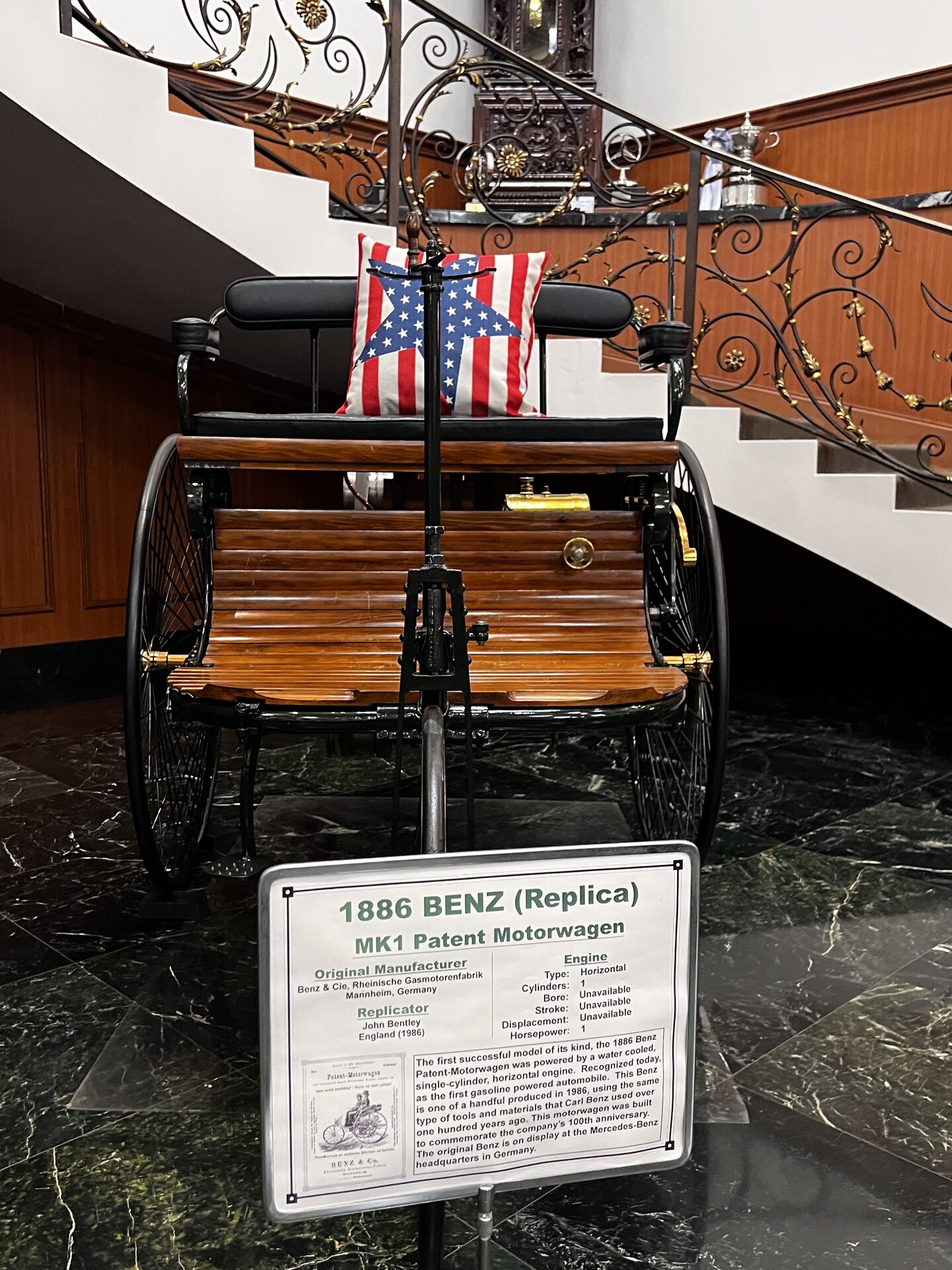
The 1886 Benz Patent-Motorwagen, the first automobile ever built.
Three wheels, one cylinder, a tiller, and German patent DRP 37435, granted to Karl Benz on 29 January 1886. Every one of the planet's 1.6 billion vehicles descends from this machine.
Read the piece
 Entry 002
The first BMW
July 2026
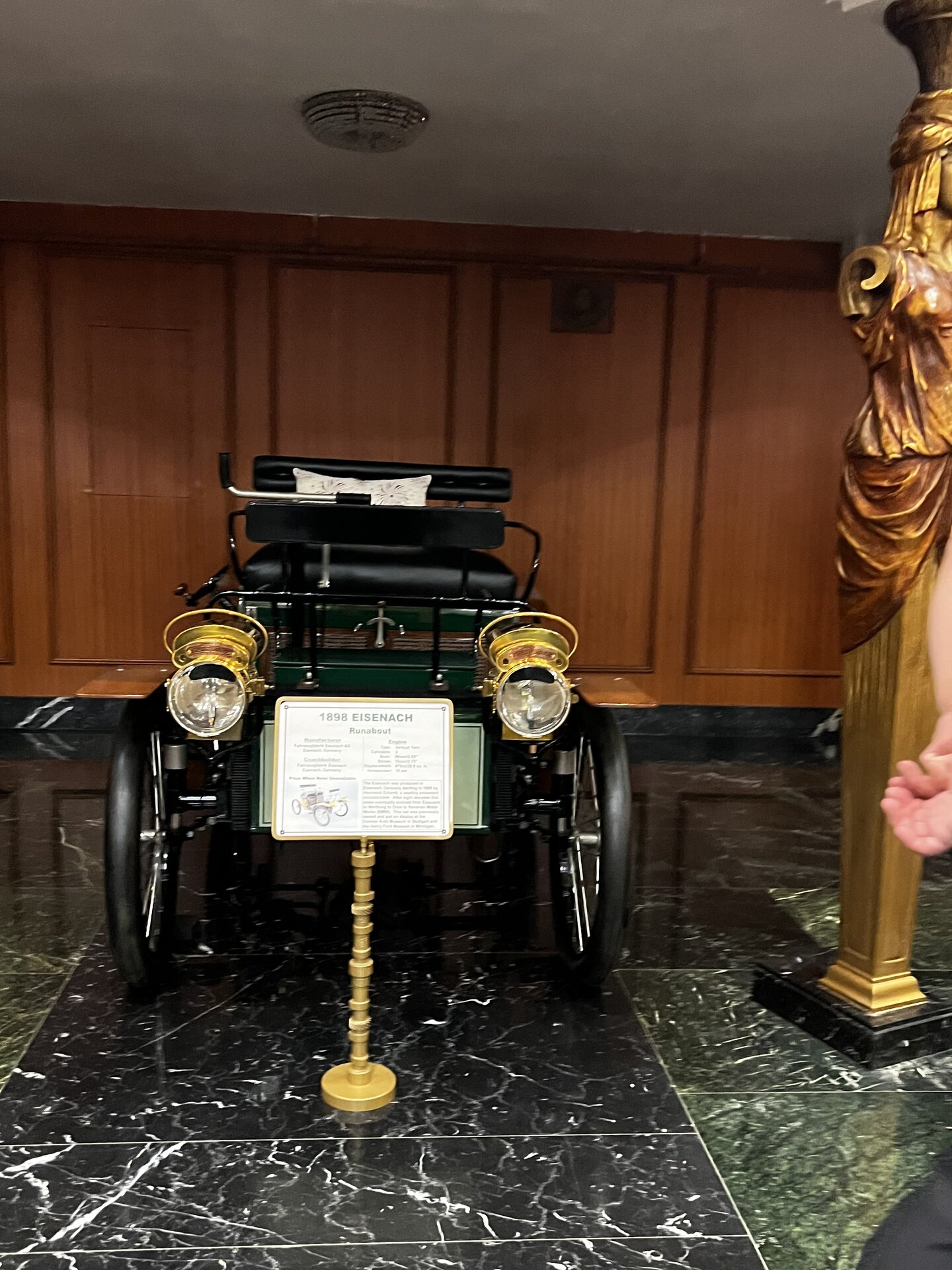
The 1898 Eisenach Runabout, the first car BMW ever built on.
In 1928, Bayerische Motoren Werke bought the Eisenach factory to enter the car business. This little green two-cylinder is the first vehicle that factory ever made, thirty years earlier.
Read the piece
 Entry 003
First hydraulic brakes
July 2026
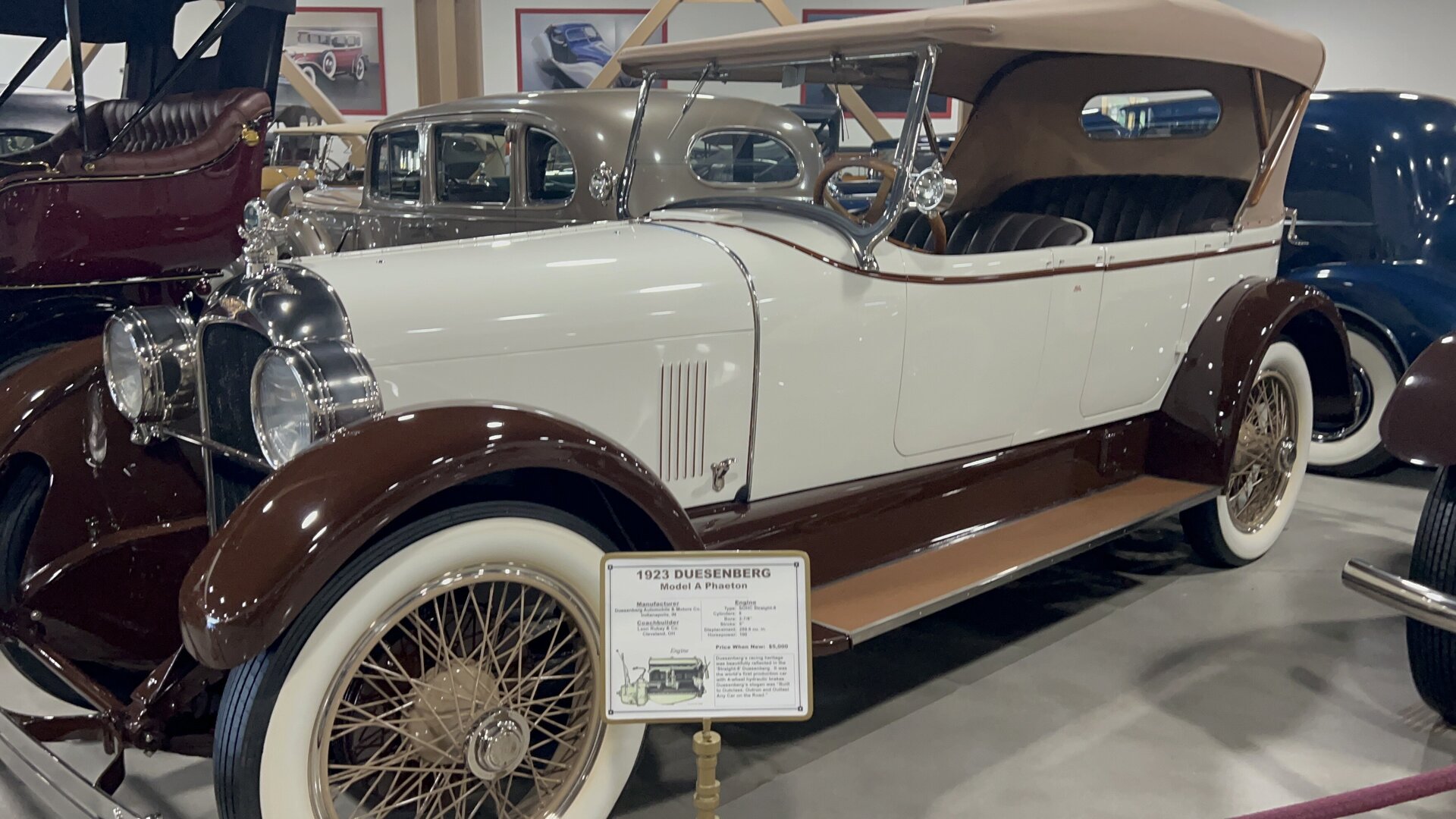
The 1923 Duesenberg Model A Phaeton, first production car with four-wheel hydraulic brakes.
Coachbuilt by Leon Rubay of Cleveland on a Duesenberg Straight-8 chassis from Indianapolis. 260 cubic inches, 100 horsepower, and the braking system every automobile made since eventually copied.
Read the piece
 Entry 004
Silent sleeve-valve six
July 2026
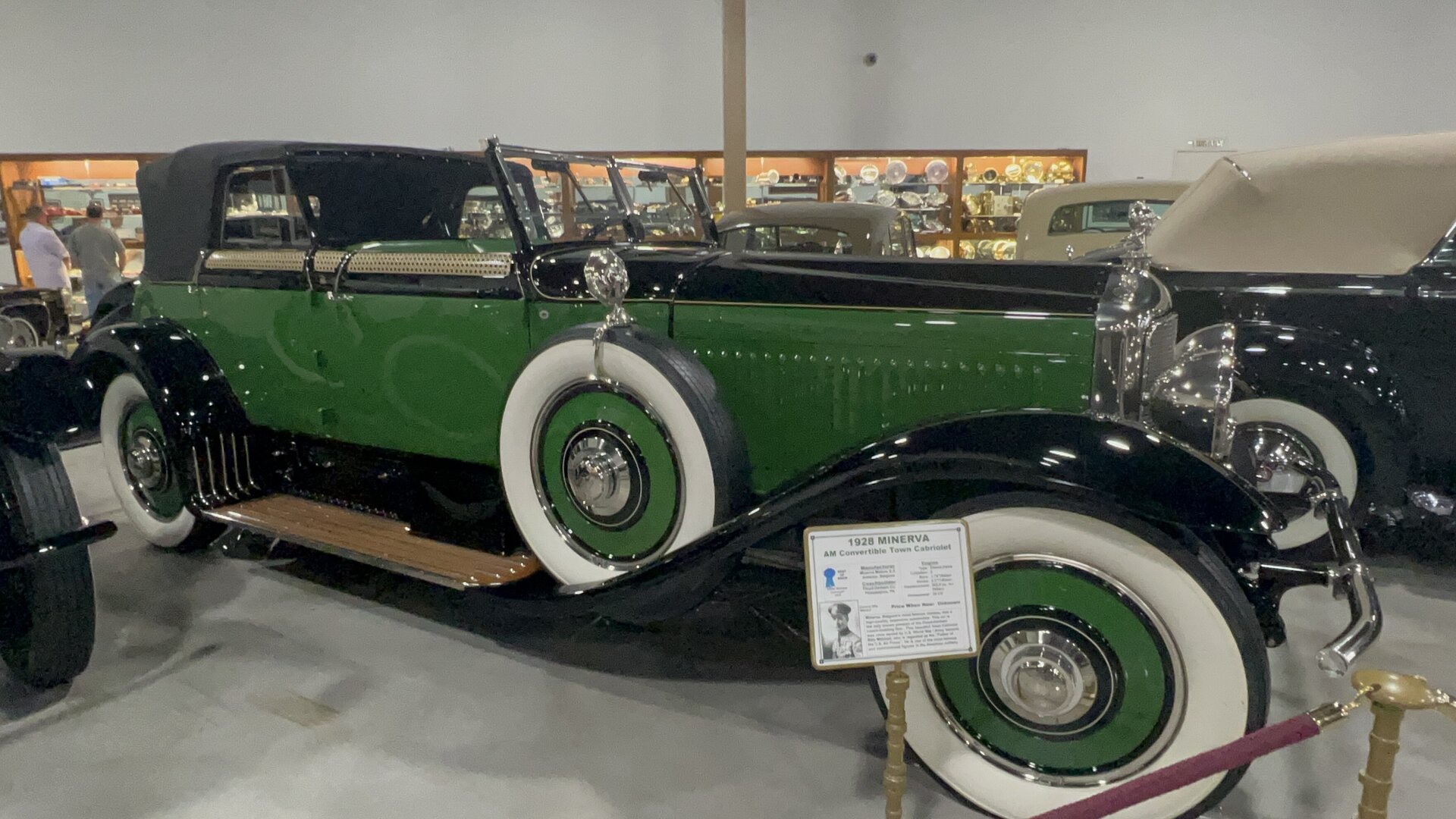
The 1928 Minerva AM Convertible Town Cabriolet, built for General Billy Mitchell.
Belgium's silent flagship: a sleeve-valve six, coachbuilt by Floyd-Derham of Philadelphia for Brig. General Billy Mitchell, the father of the U.S. Air Force.
Read the piece
 Entry 005
The Car of a Thousand Speeds
July 2026
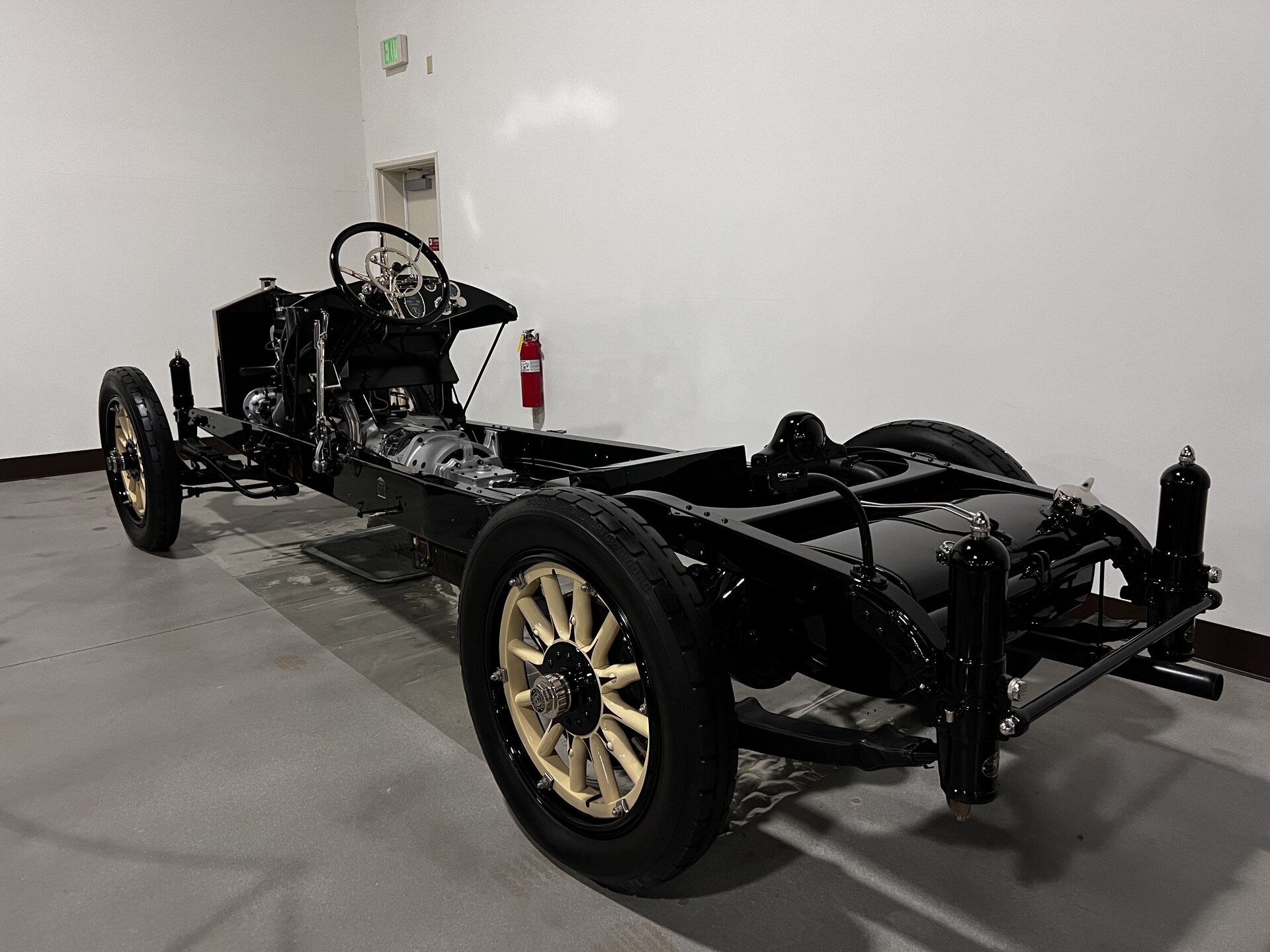
The 1917 Owen Magnetic Model 60, the car with no mechanical connection between engine and wheels.
The Entz magnetic transmission replaces the clutch and gearbox with an electromagnet. The engine spins a field, the field pulls the armature, the armature turns the wheels.
Read the piece
 Entry 006
Air-cooled engineering
July 2026
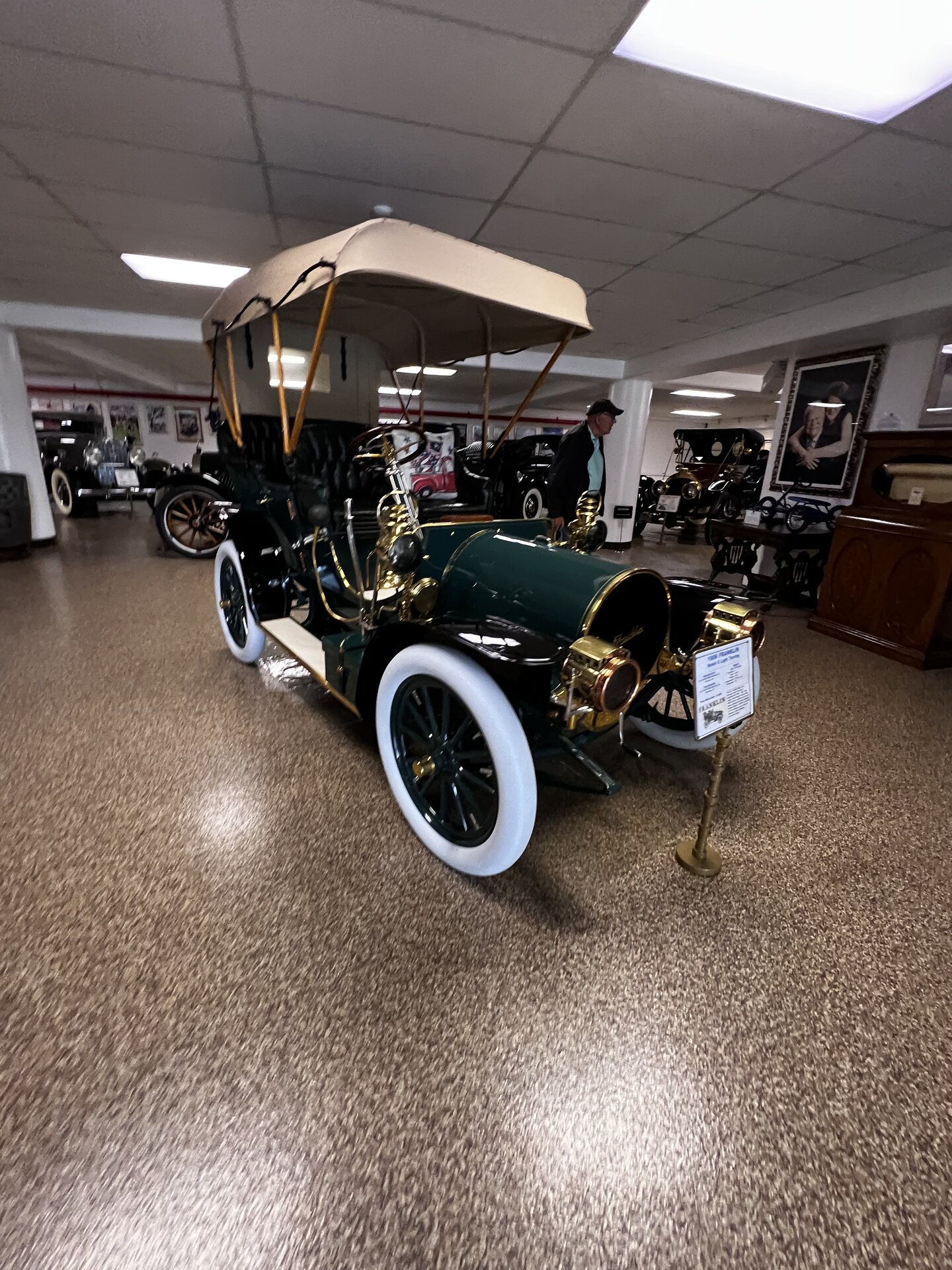
The 1906 Franklin, the air-cooled argument before the industry chose water.
A Franklin is not just an early automobile. It is a different answer to the thermal problem: lighter structure, direct air cooling, and an engineering culture that refused to copy the dominant layout.
Read the piece
 Entry 007
Ask the man who owns one
July 2026
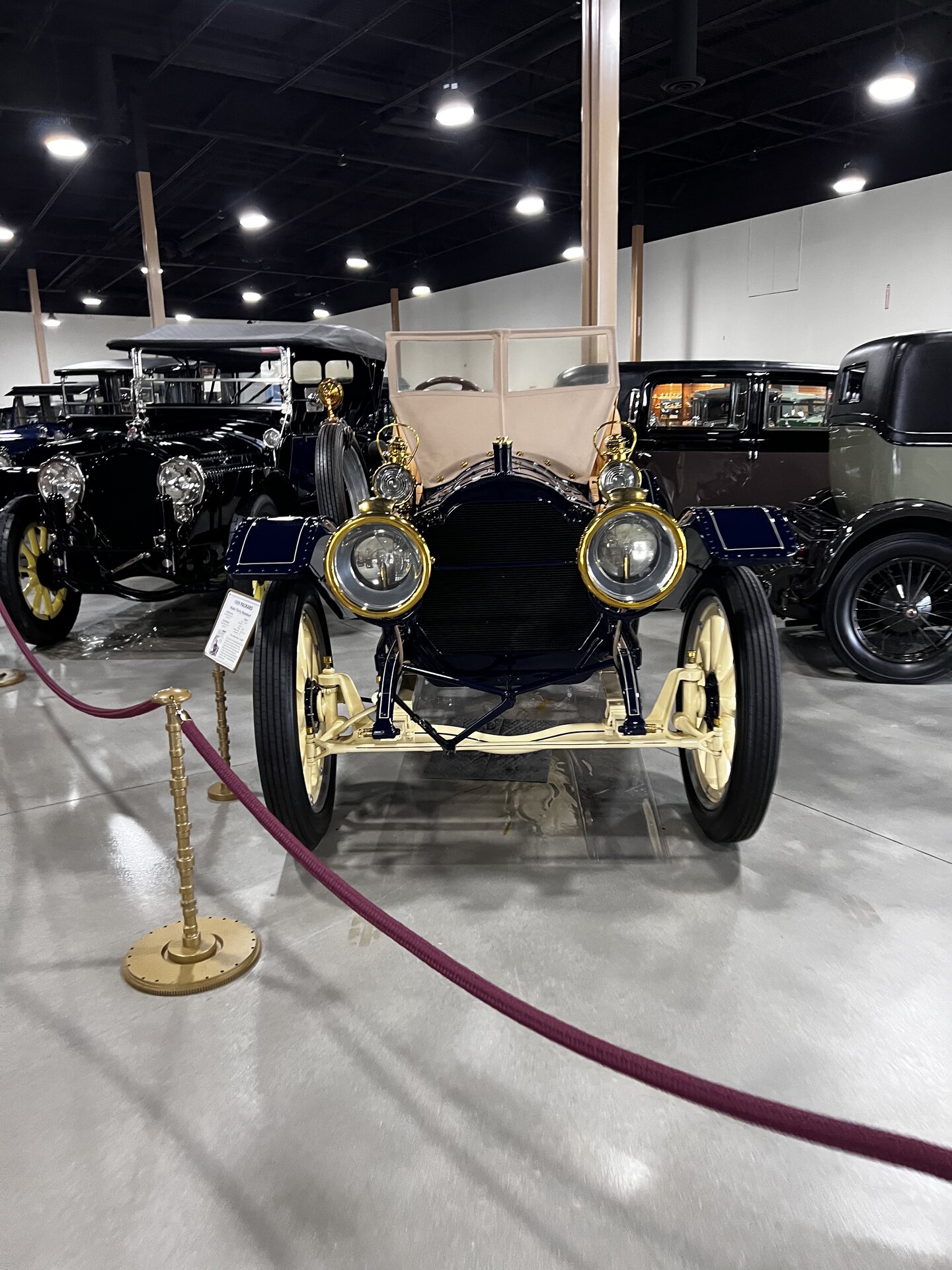
The 1909 Packard, the American luxury car becoming an engineering institution.
Packard made reliability into a social signal. The value was not decoration alone. It was quiet power, careful machining, and the promise that an American car could stand with Europe's best.
Read the piece
 Entry 008
Front-drive fire apparatus
July 2026
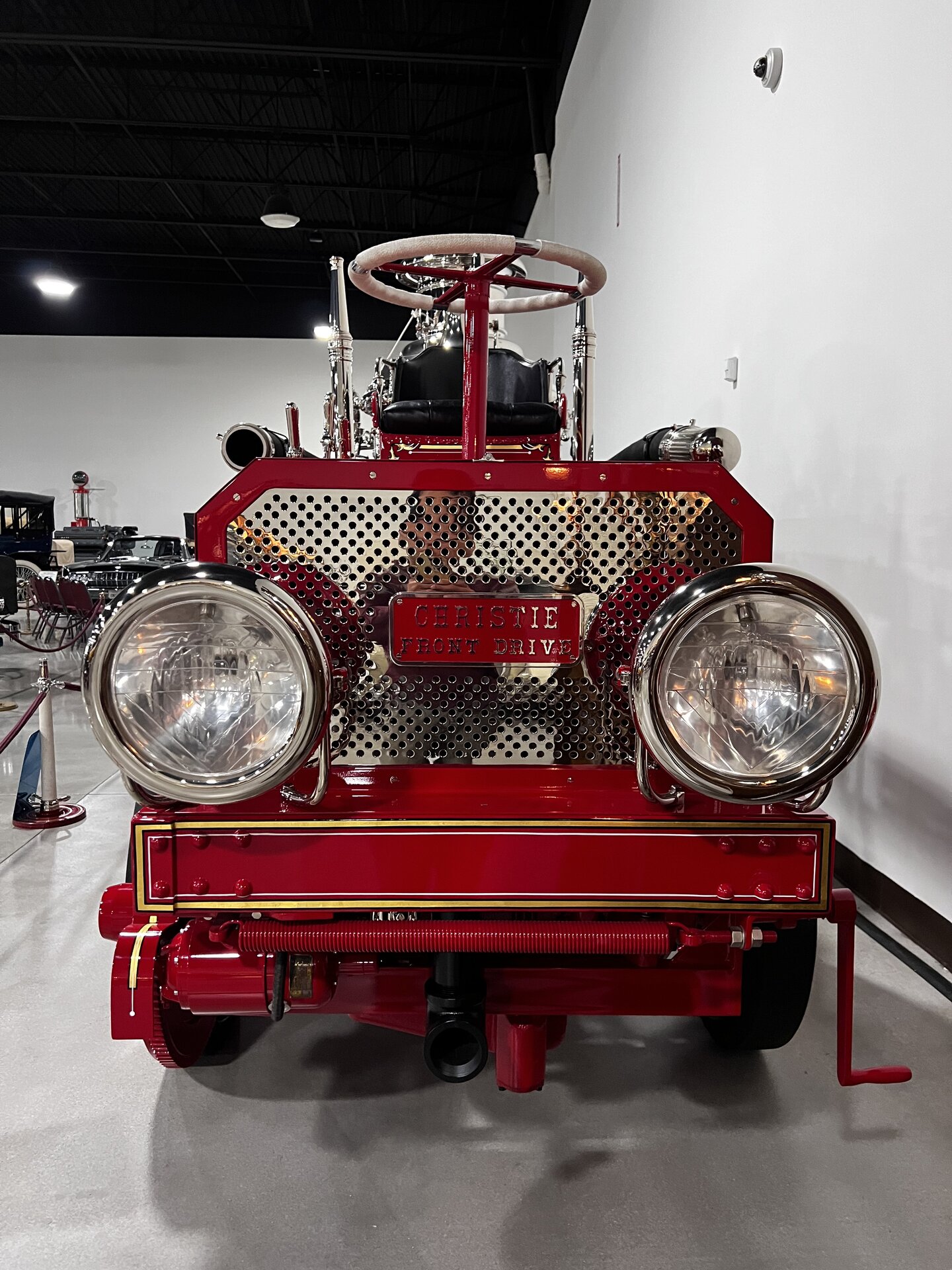
The 1913 Christie Fire Truck, emergency response before standardized fleets.
J. Walter Christie's front-drive architecture made fire equipment faster to deploy and easier to integrate with horse-drawn bodies. It is an early lesson in adapting autonomy of motion to legacy civic machinery.
Read the piece
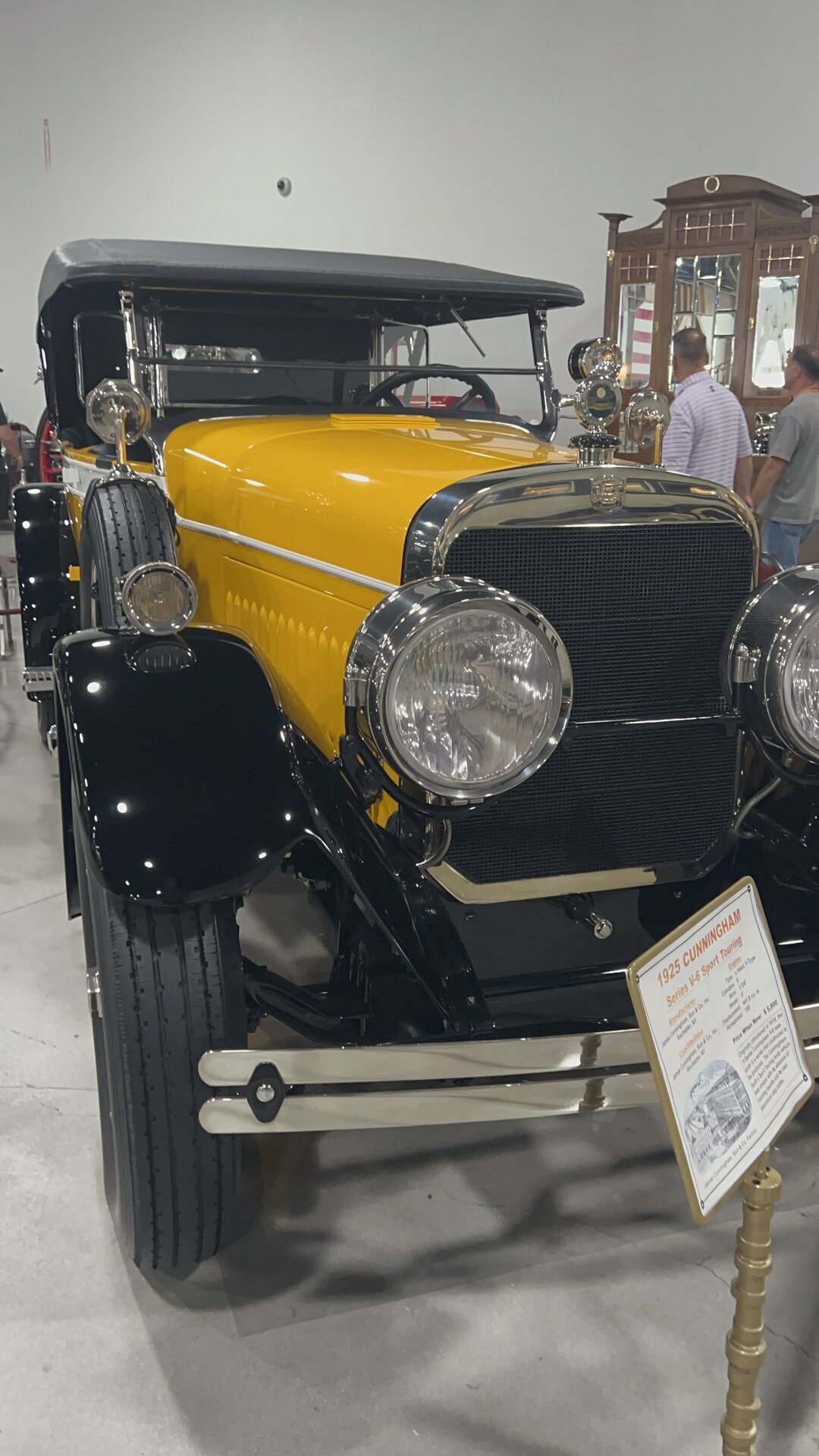 Entry 009
Coachbuilt American luxury
July 2026
The 1925 Cunningham, the hand-built American carriage tradition at full scale.
Cunningham sits at the point where carriage craft, engine design, and social status became one object. It shows why the coachbuilt era mattered: every subsystem had to feel deliberate.
Read the piece
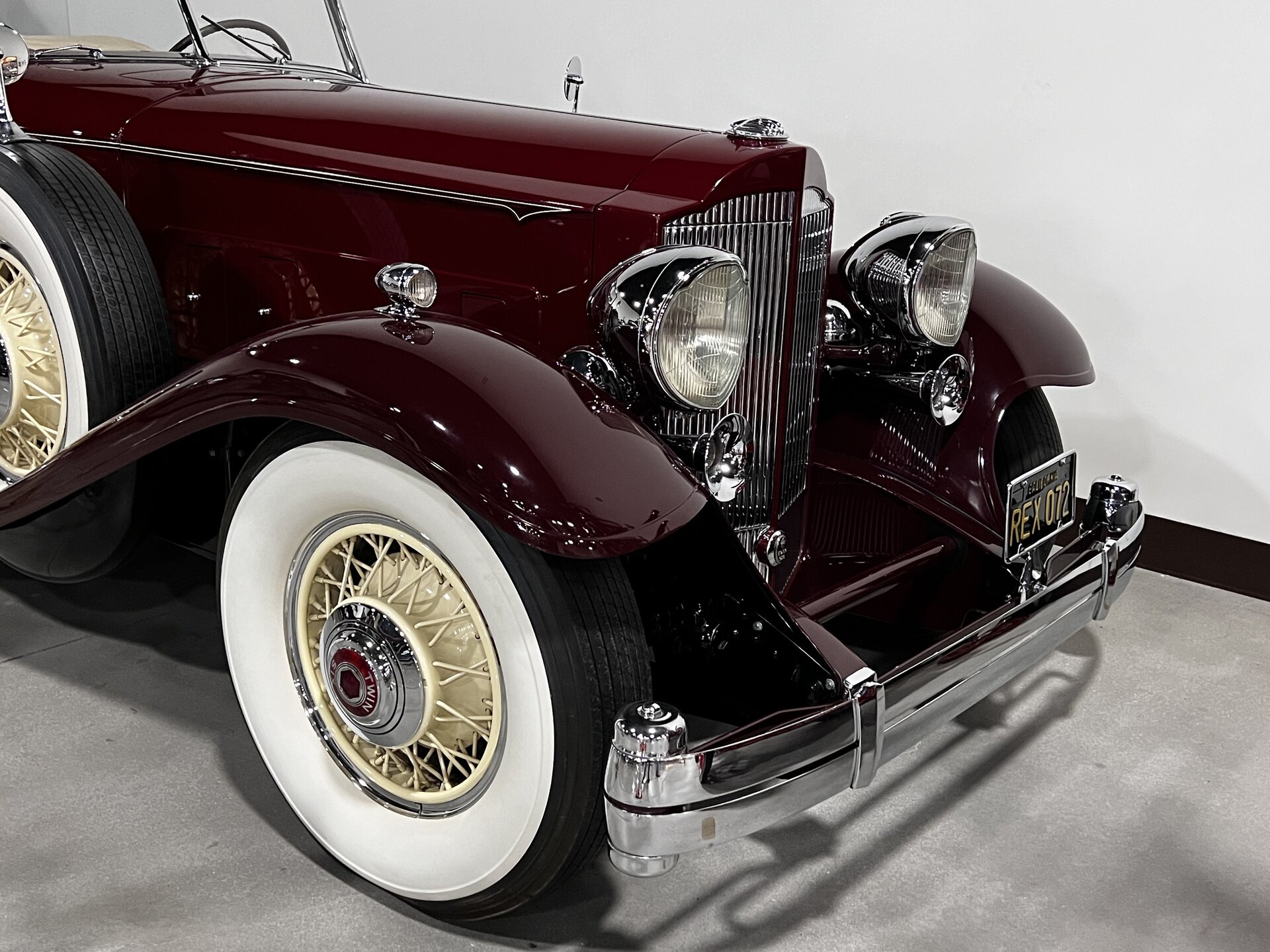 Entry 010
Engineering under pressure
July 2026
The 1932 Packard, American luxury in the depth of the Depression.
A 1932 Packard is an argument that technical seriousness survives economic collapse. Smoothness, braking, steering feel, and body discipline all had to speak before the owner said a word.
Read the piece
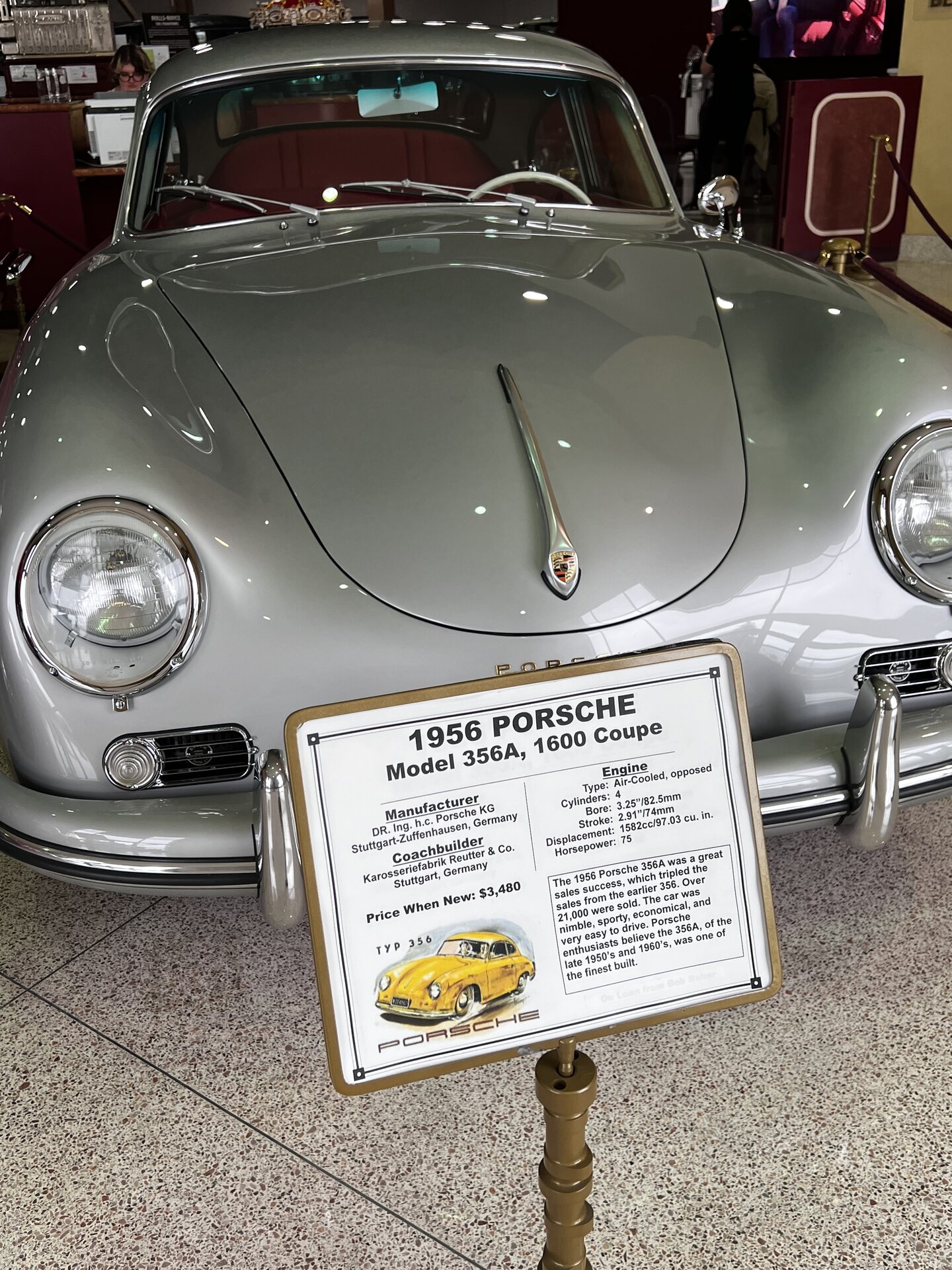 Entry 011
The first real Porsche road car
July 2026
The 1956 Porsche 356A 1600 Coupe, the car that made Porsche Porsche.
The 356A of 1956 was the first fully sorted Porsche. A pushrod flat-four air-cooled 1.6 liter, curved one-piece windshield, torsion bar suspension, unibody steel construction, and less than 1,700 pounds. It set the template every 911 has followed since.
Read the piece
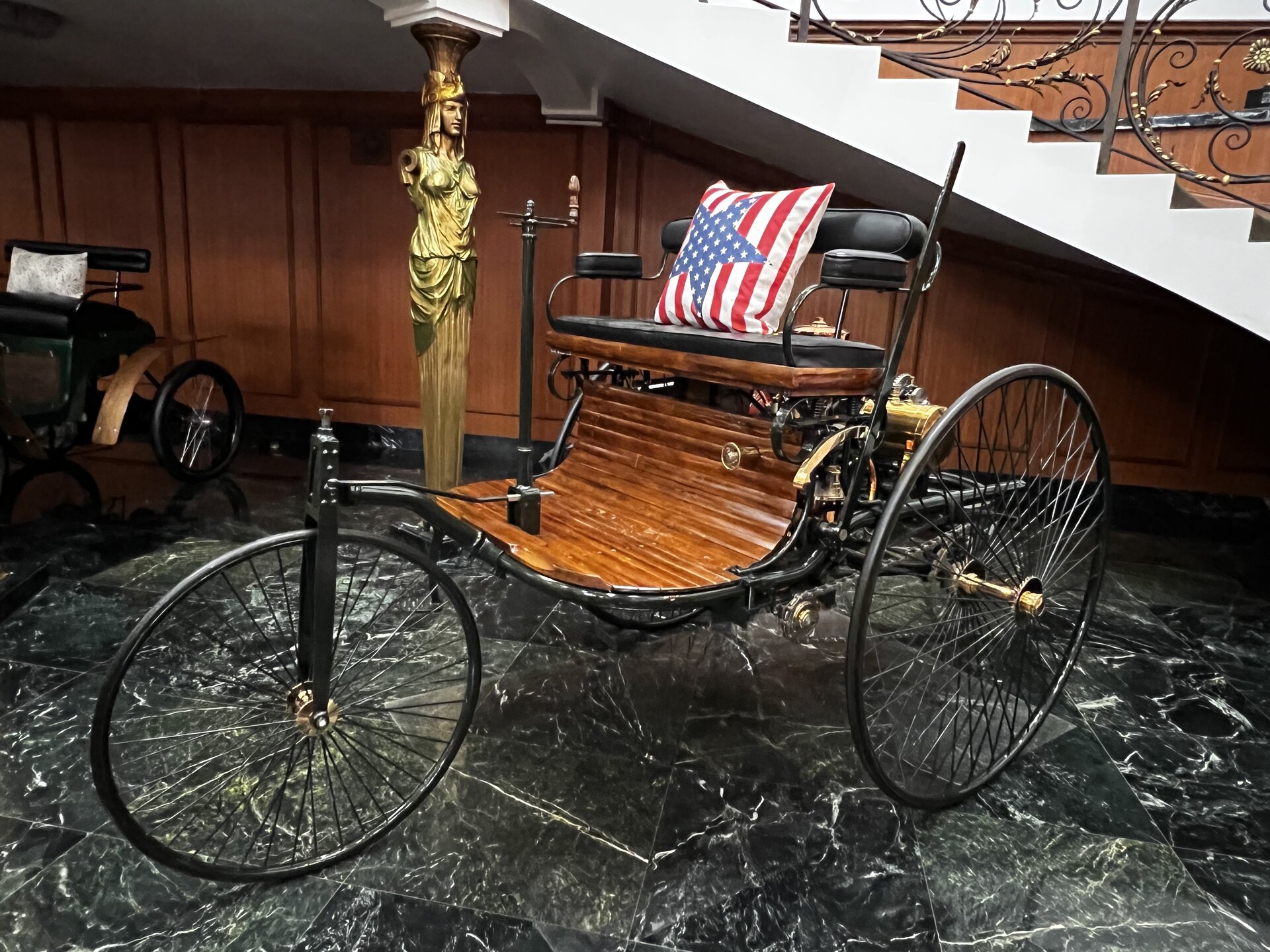 Entry 012
The first road proof
July 2026
The first motor trip and the motor car as proof, not theory.
The motor car became real when it left the workshop and completed a journey. The first long trip converted an invention into infrastructure, fuel logistics, maintenance discipline, and public trust.
Read the piece
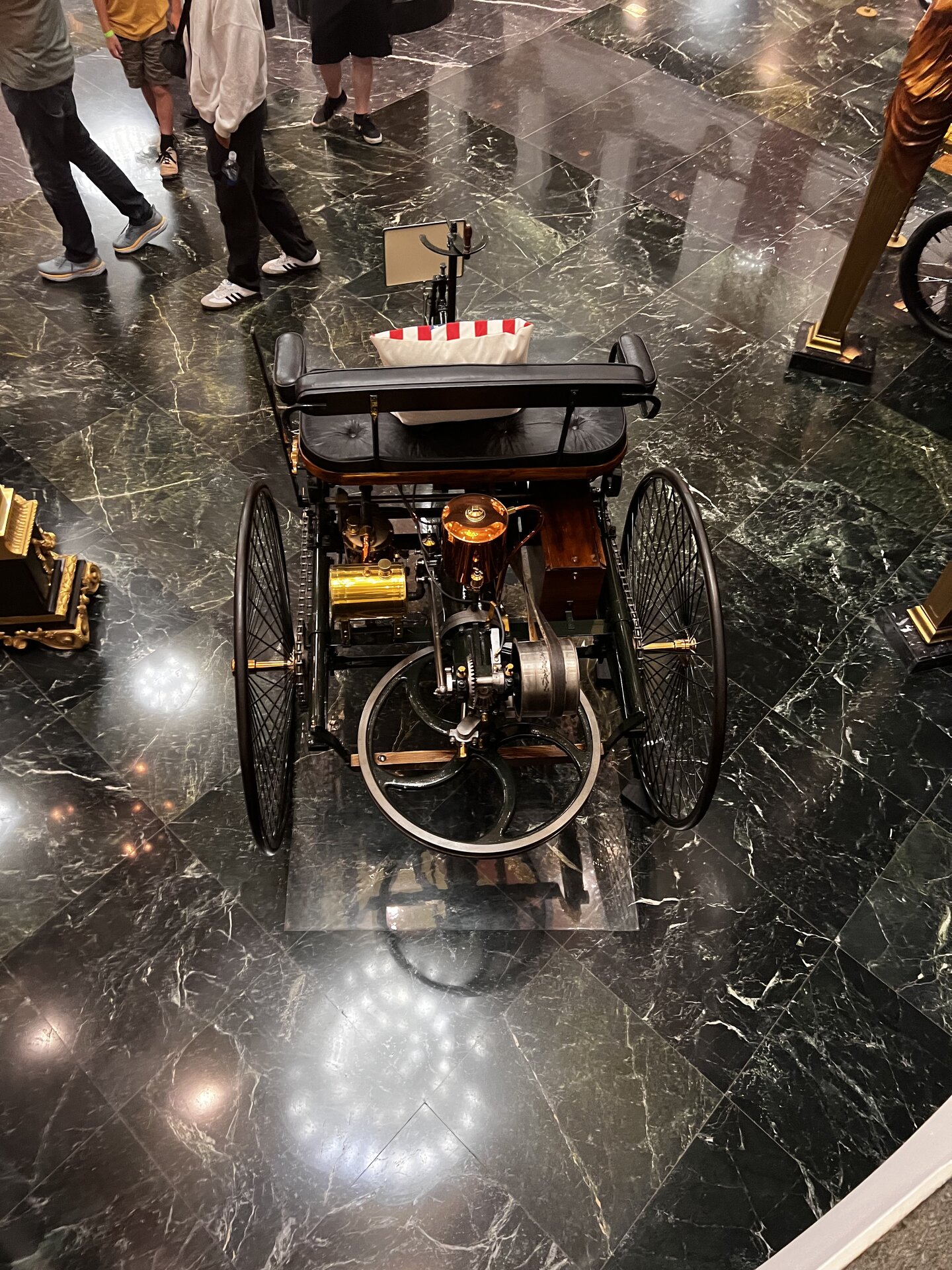 Entry 013
Road trip as system test
July 2026
The first vehicle and road trip ever, when mobility became a network problem.
A road trip tests everything the showroom hides: starting, cooling, steering, braking, fuel, road surface, human confidence, and repair. That is why the first journey matters as much as the first machine.
Read the piece
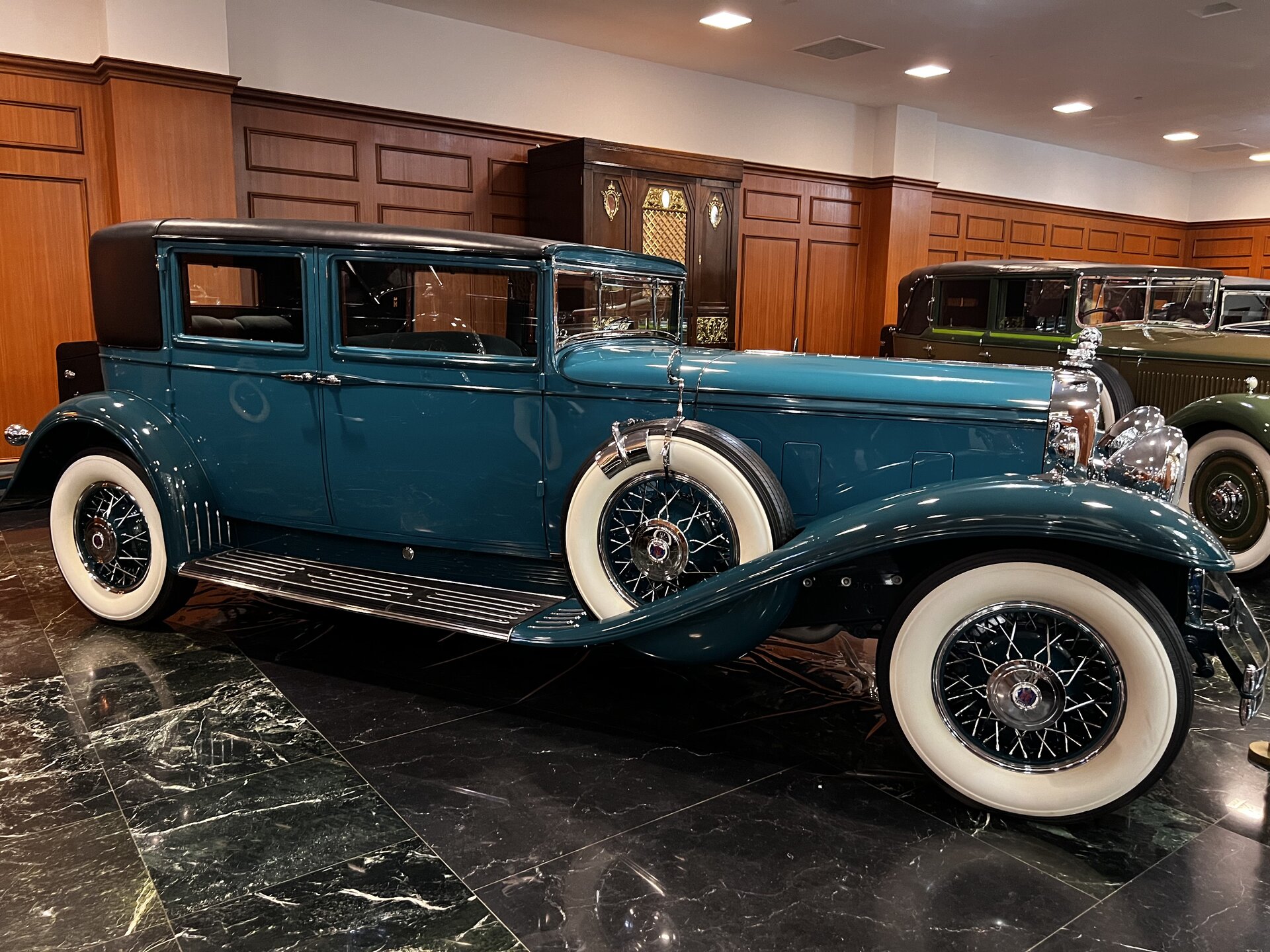 Entry 014
Valve area and ambition
July 2026
The 32-valve Stutz, American performance before the word became lazy.
A 32-valve engine is a mechanical thesis: breathing matters, combustion matters, and a road car can be engineered from the cylinder head outward instead of from trim inward.
Read the piece
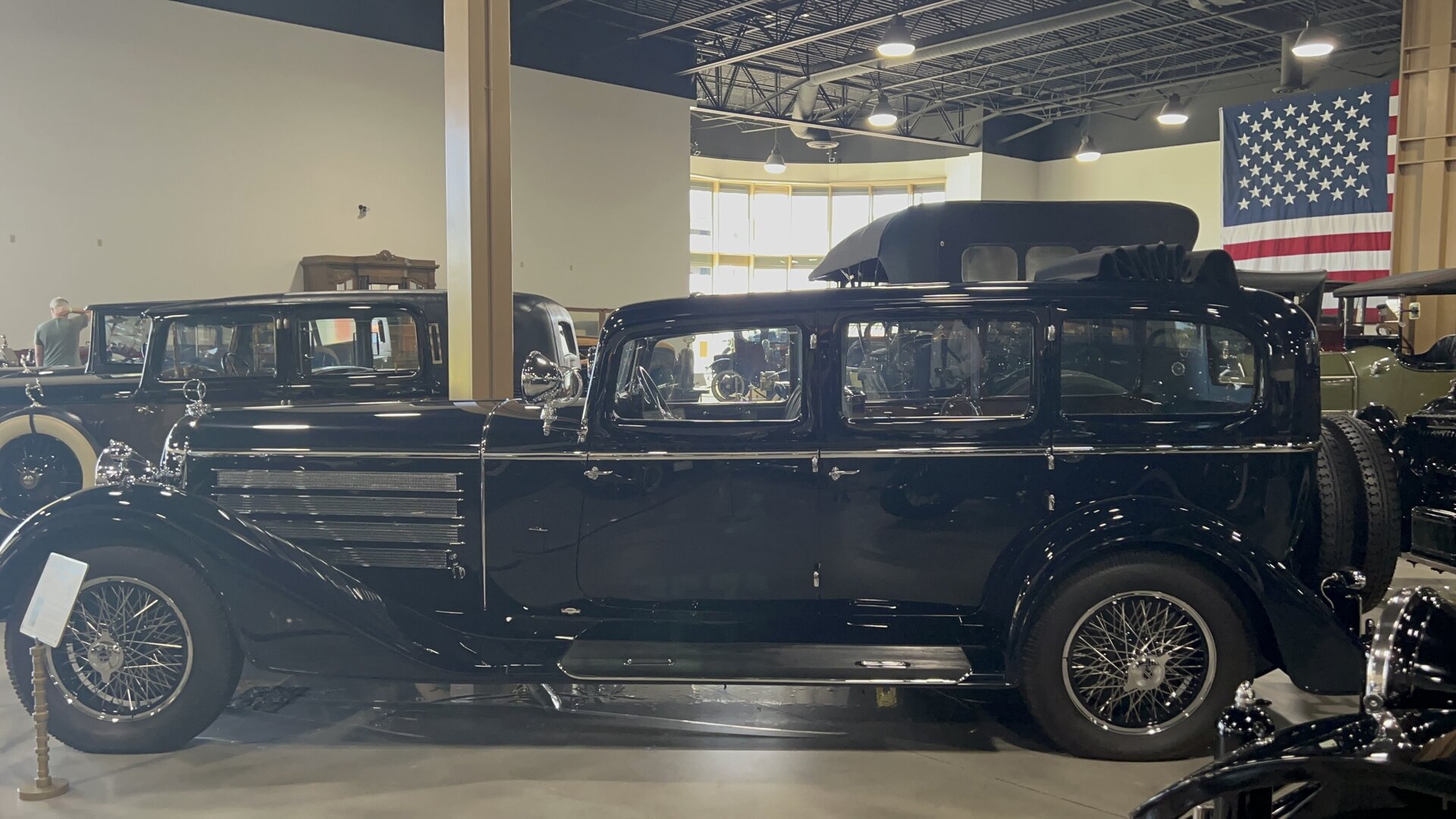 Entry 015
Austrian precision
July 2026
The Austro-Daimler, Ferdinand Porsche's engineering discipline before Porsche was a brand.
Austro-Daimler belongs in the archive because it carries a through-line from early continental engineering to the later Porsche method: lightness, power density, and control as one system.
Read the piece
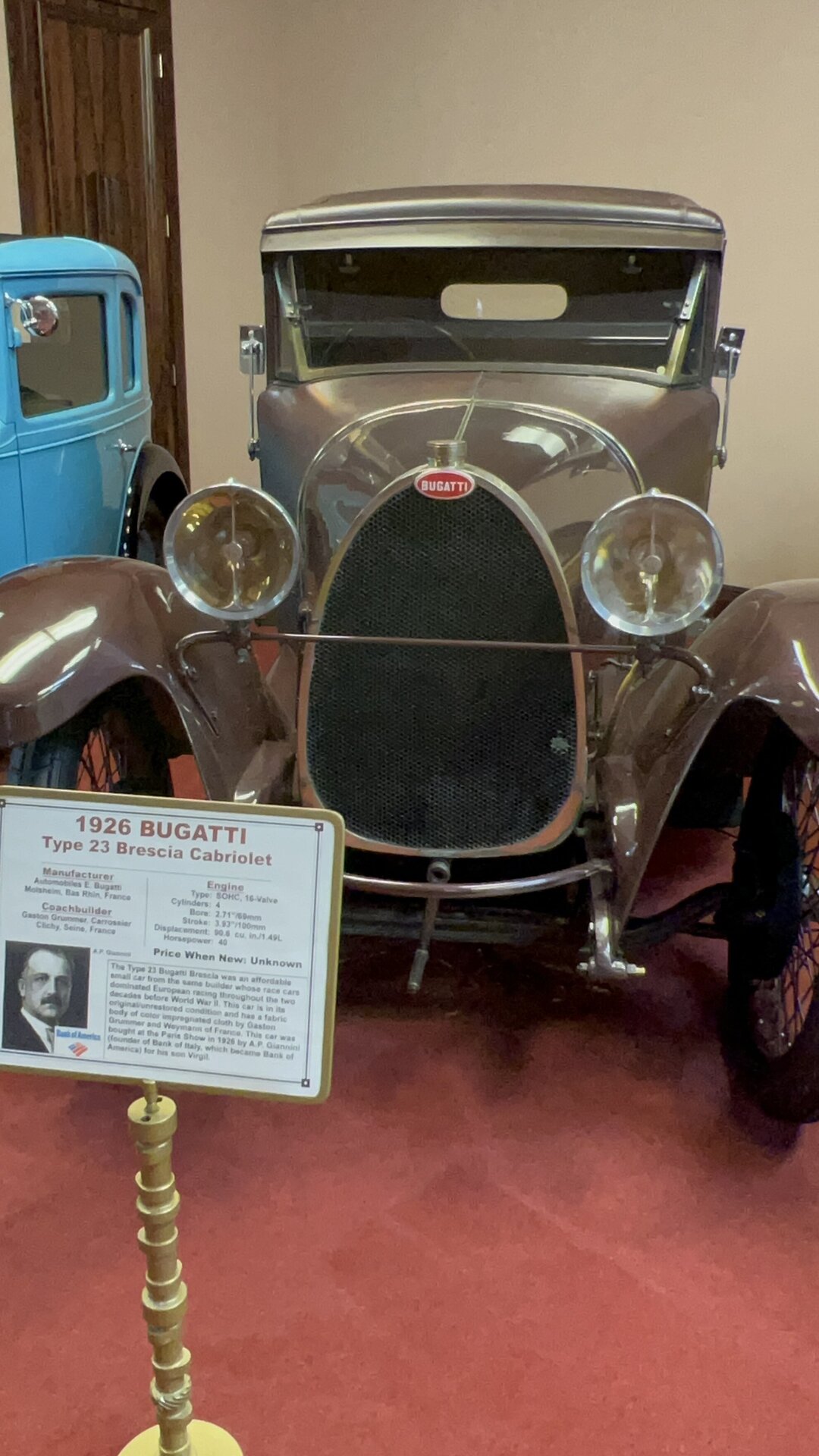 Entry 016
Small ancestor of the hypercar giants
July 2026
The 1926 Bugatti Type 23 Brescia Cabriolot, 'Baby Bugatti' as a term of endearment.
The 'Baby Bugatti' nickname is affectionate because modern Bugattis like the Veyron and Chiron are heavy, turbocharged hypercars. This 1926 Type 23 Brescia Cabriolot is the light, small, elegant ancestor they are measured against.
Read the piece
 Entry 017
One-off. Paris Salon. Onassis.
July 2026
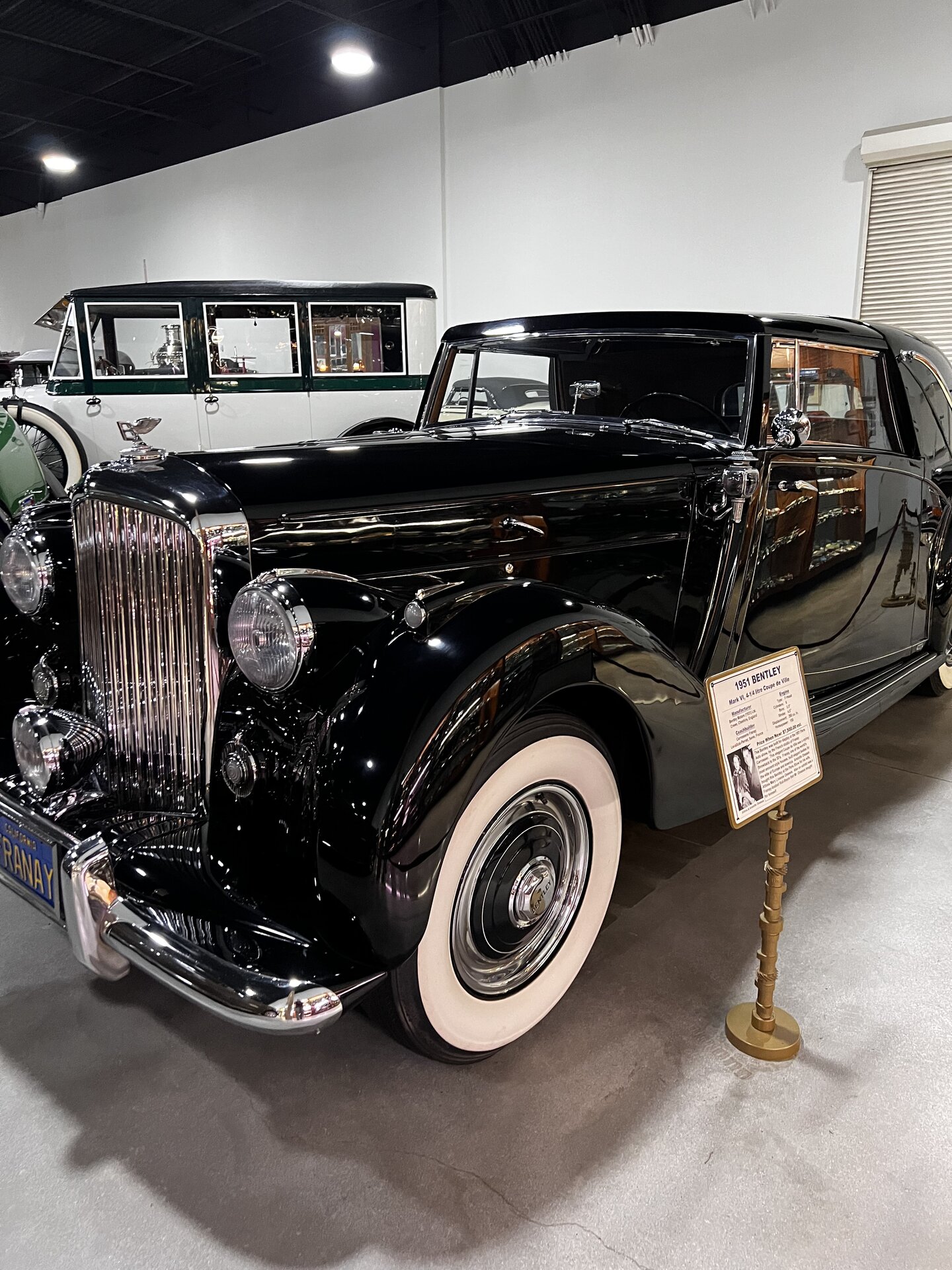
The 1951 Bentley Mark VI Coupe DeVille by Franay, the one-off Aristotle Onassis bought for his wife Tina at the Paris Salon.
A one-off Bentley Mark VI chassis, bodied by Franay Frères in Paris, shown at the 1951 Paris Salon, and bought off the stand by Aristotle Onassis as a gift for his wife Athina 'Tina' Livanos. In the Nethercutt Collection since 1969.
Read the piece
 Entry 018
The original Chiron
July 2026
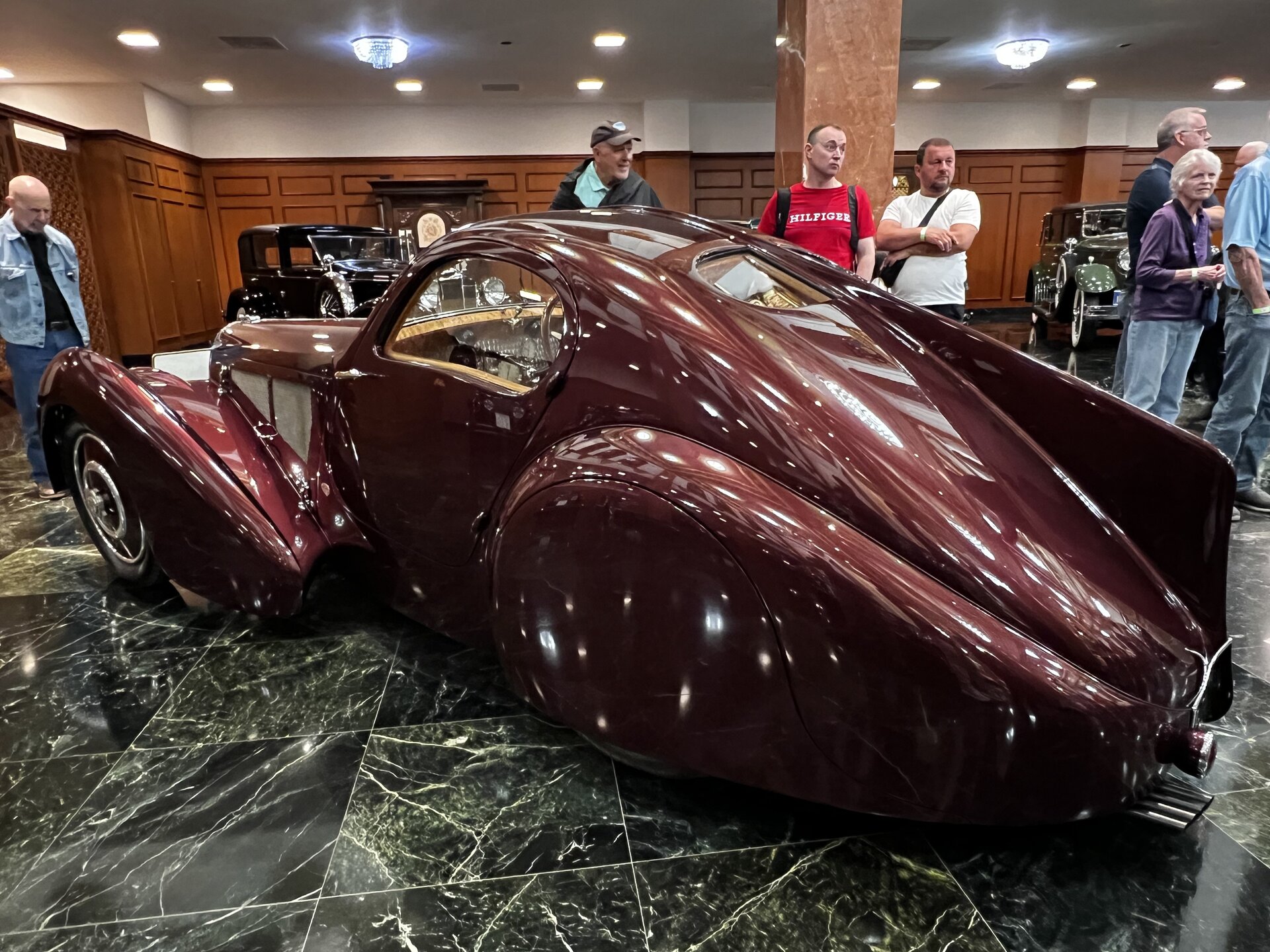
The 1931 Bugatti Type 51 Dubos, the car Louis Chiron drove and modern Bugatti named the Chiron after.
Twin-cam straight eight, supercharged, built on the bones of the Type 35. Louis Chiron won grand prix after grand prix in cars like this one. A century later the marque put his name on its flagship.
Read the piece
 Entry 019
Racing form
July 2026
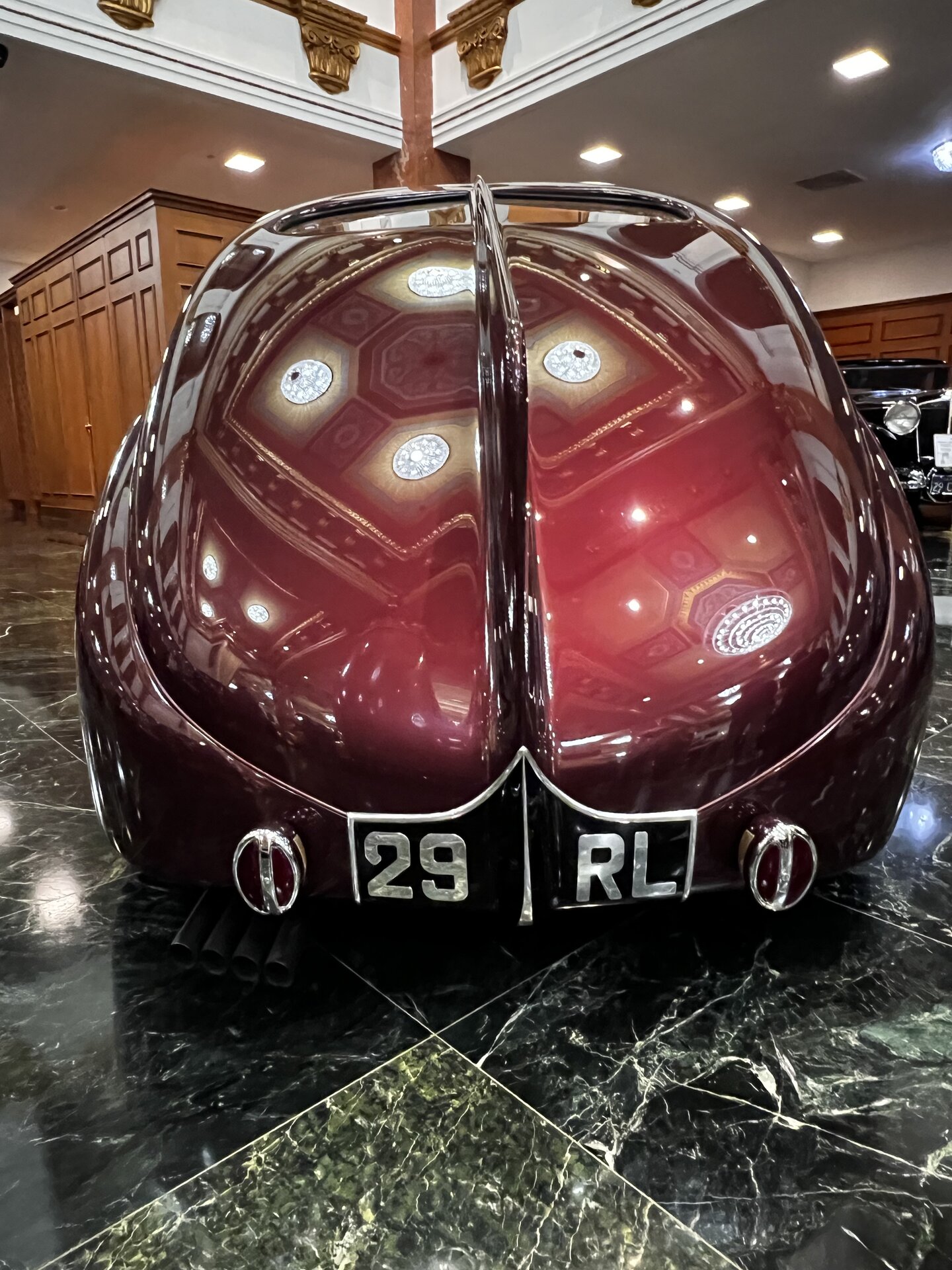
The Bugatti Dubos Type 51 Louis Chiron, racing hardware made visible.
Bugatti never separated mechanical intent from visual form. This Dubos-bodied Type 51 makes the racing logic visible, from stance to cooling to the way mass sits over the wheels.
Read the piece
 Entry 020
Bugatti special
July 2026
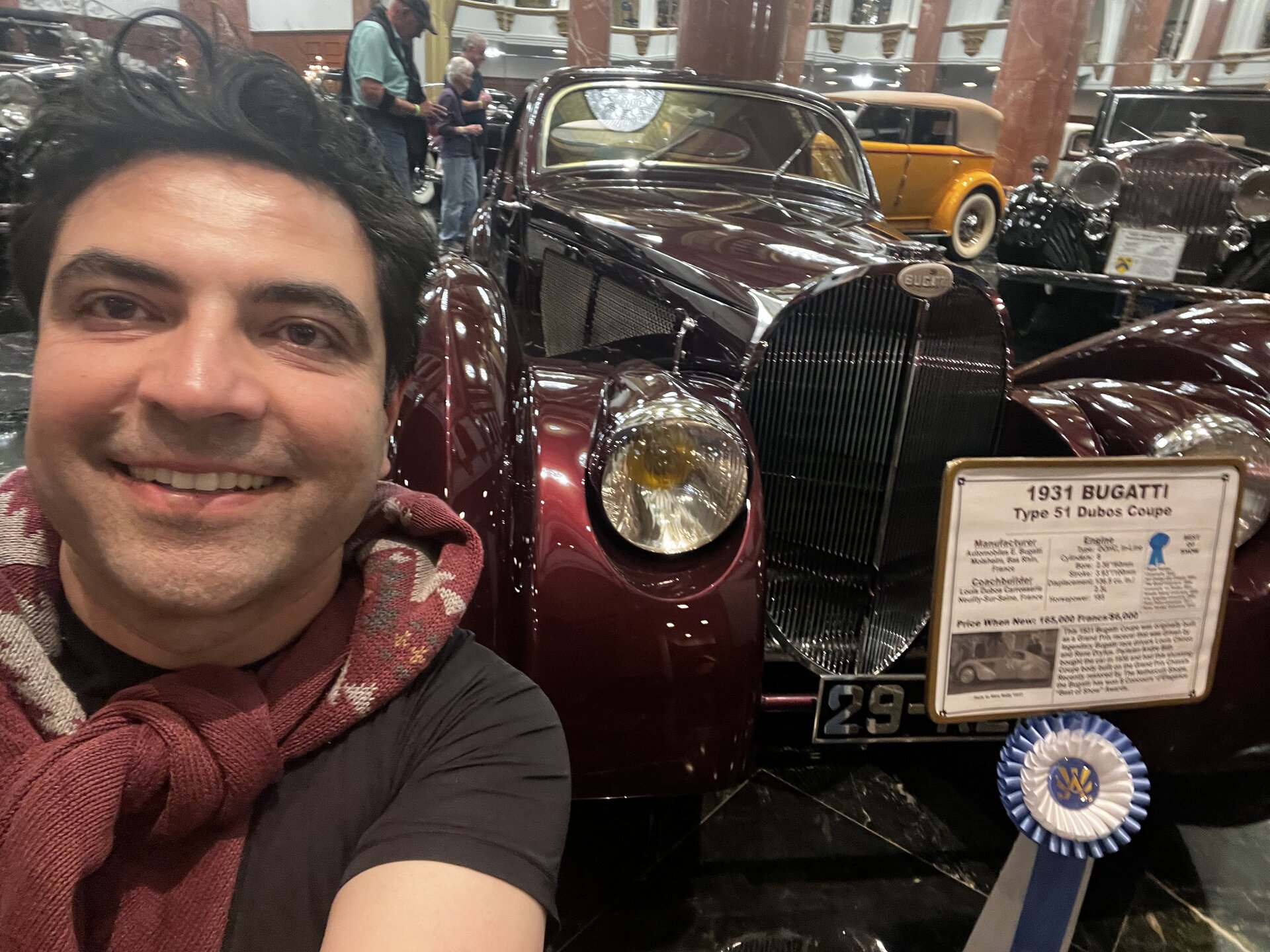
The Bugatti Special, where chassis, sculpture, and speed collapse into one object.
A Bugatti special is not explained by horsepower alone. It is the compression of material taste, race experience, and proportion into a machine that still looks fast while standing still.
Read the piece
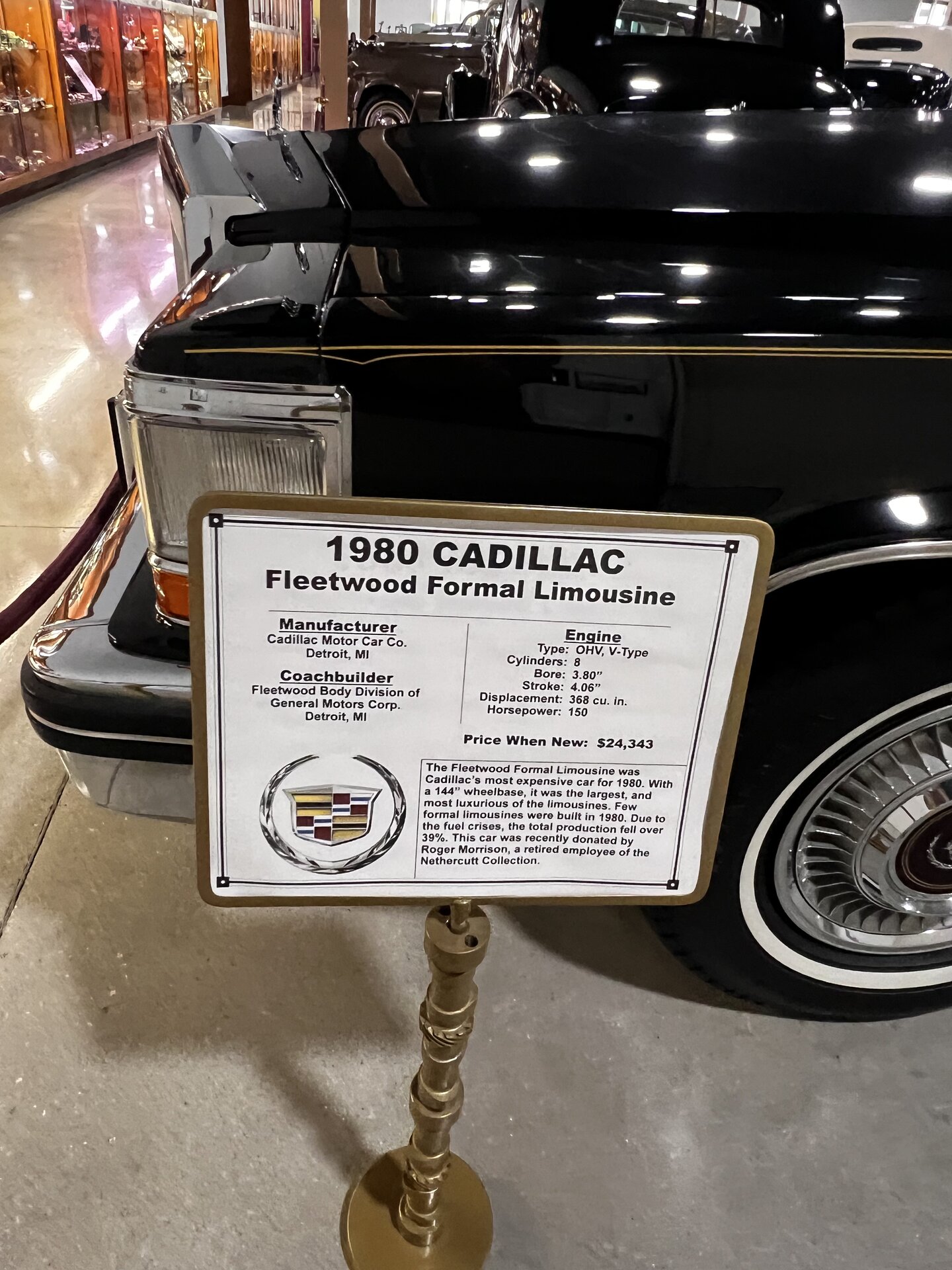 Entry 021
Precision and scale
July 2026
The Cadillac, the standardization machine that made luxury scalable.
Cadillac's importance is not only chrome and status. It is interchangeable parts, repeatable quality, electrical confidence, and the industrial discipline that made American luxury reproducible.
Read the piece
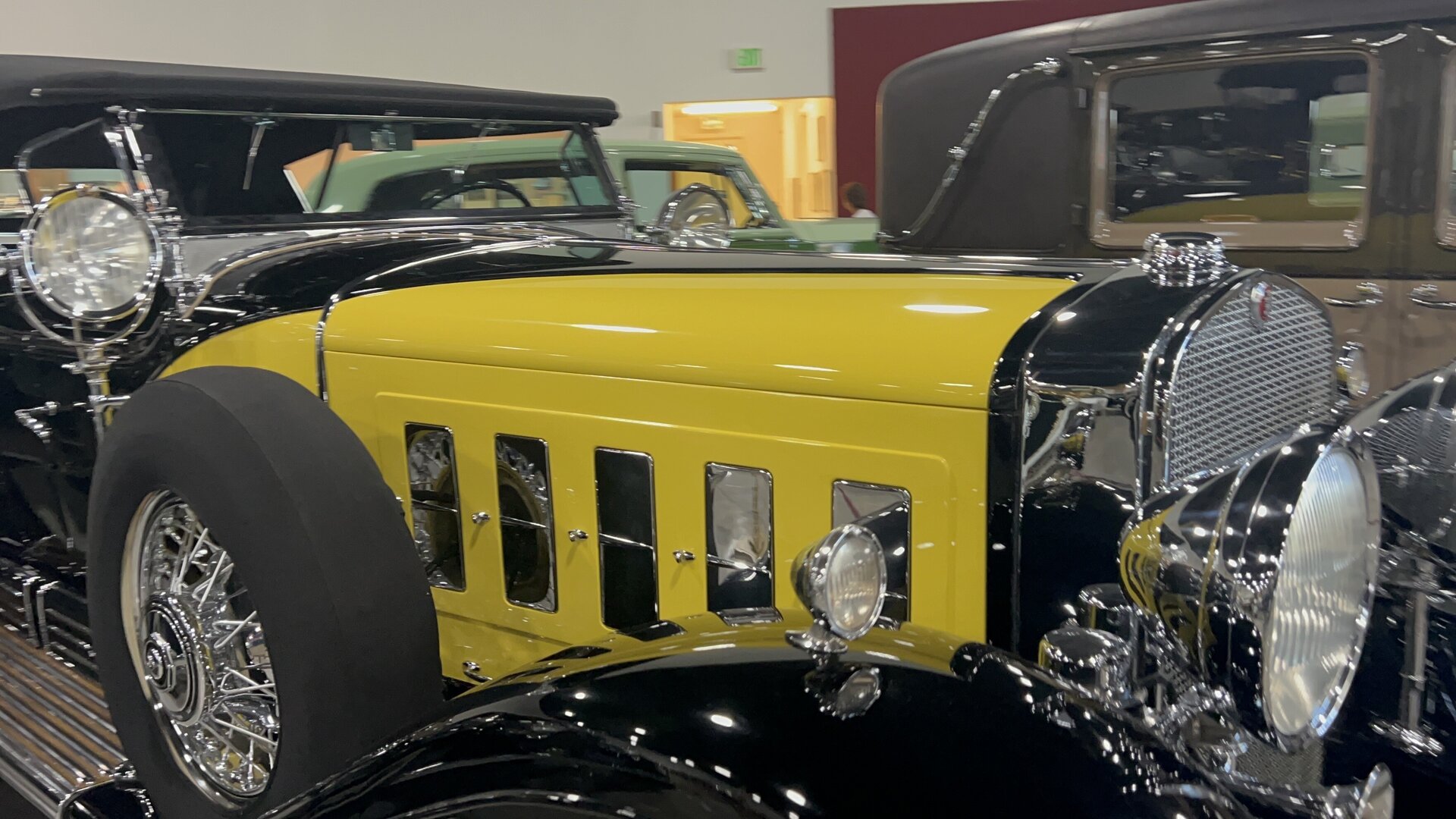 Entry 022
The 1908 Dewar Trophy
July 2026
Cadillac, when a new American company set the world standard for precision.
In 1908 Cadillac stripped three cars in England, mixed the parts, rebuilt three running cars, and drove them 500 miles. The Royal Automobile Club awarded the Dewar Trophy and coined the phrase Standard of the World.
Read the piece
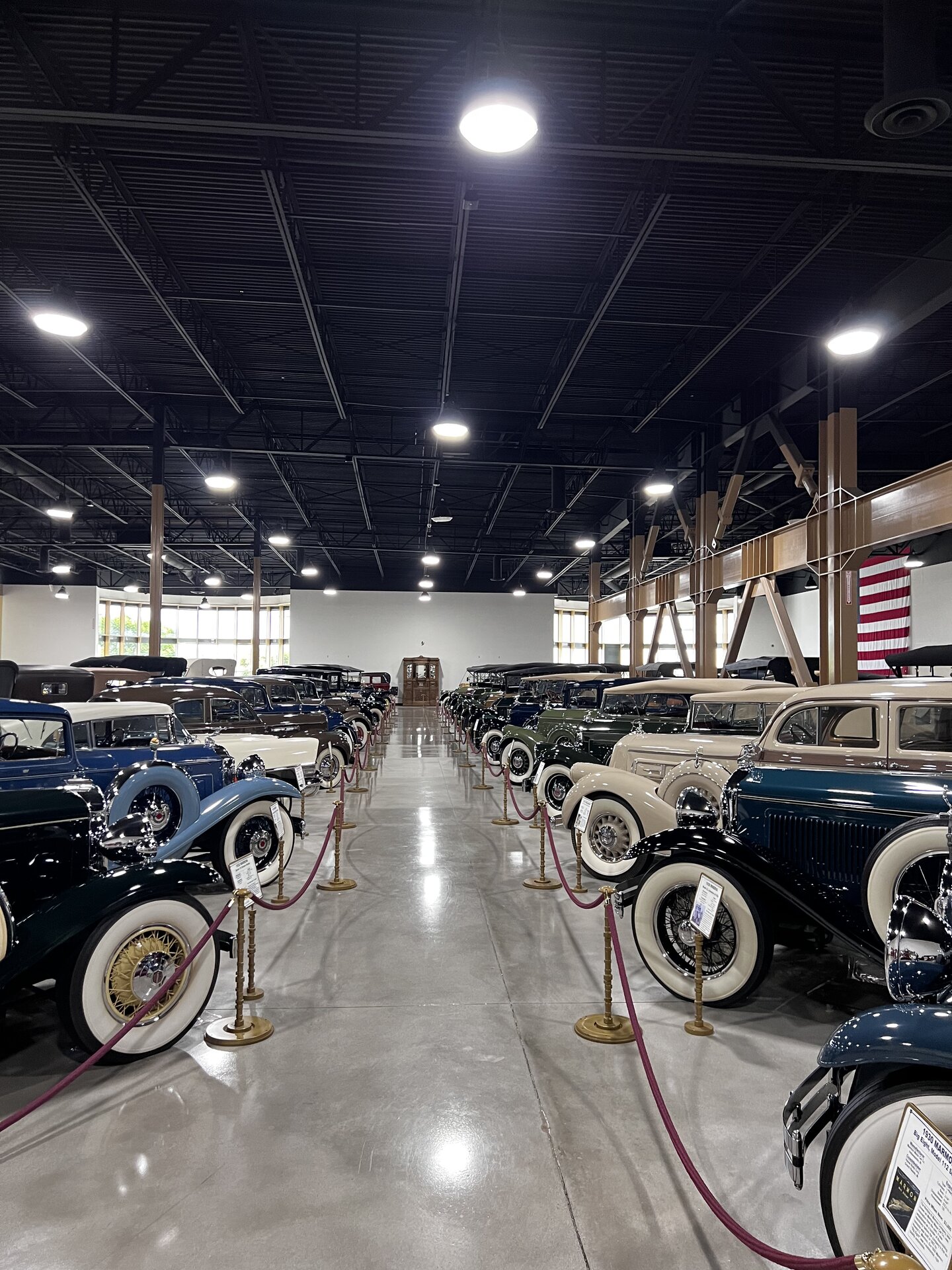 Entry 023
The room as evidence
July 2026
Car Heaven, the archive view where vehicles become a civilization map.
Seen together, the cars stop being separate objects. They become a civilization map of power, control, taste, danger, ambition, and the long fight to make motion trustworthy.
Read the piece
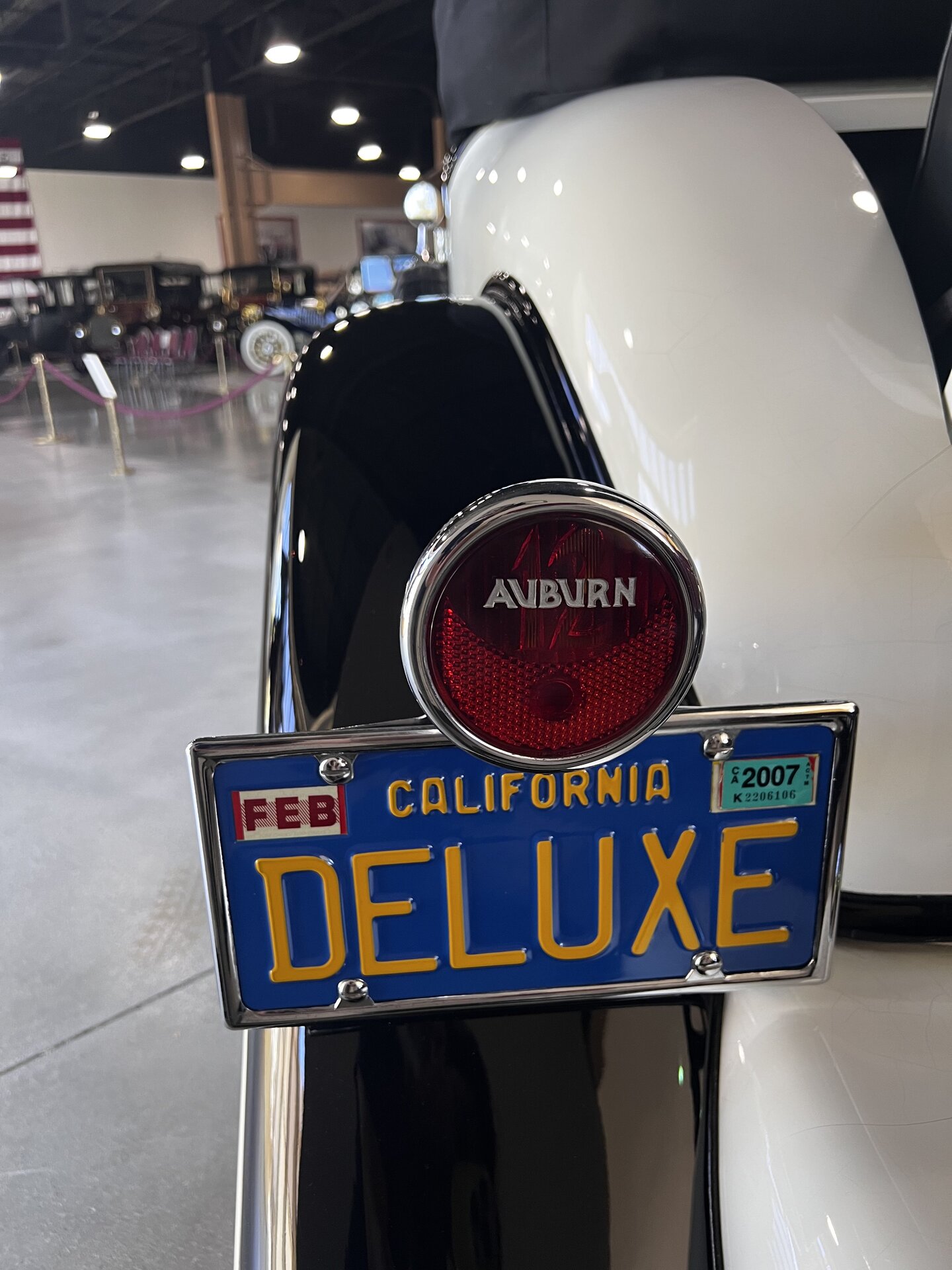 Entry 024
Visibility hardware
July 2026
Car mirrors and components, the small hardware that decides what a driver can know.
A mirror is a sensor before sensors. Components like these matter because they define perception, blind spots, driver workload, and the relationship between human attention and machine movement.
Read the piece
 Entry 026
48 miles, two oceans
July 2026
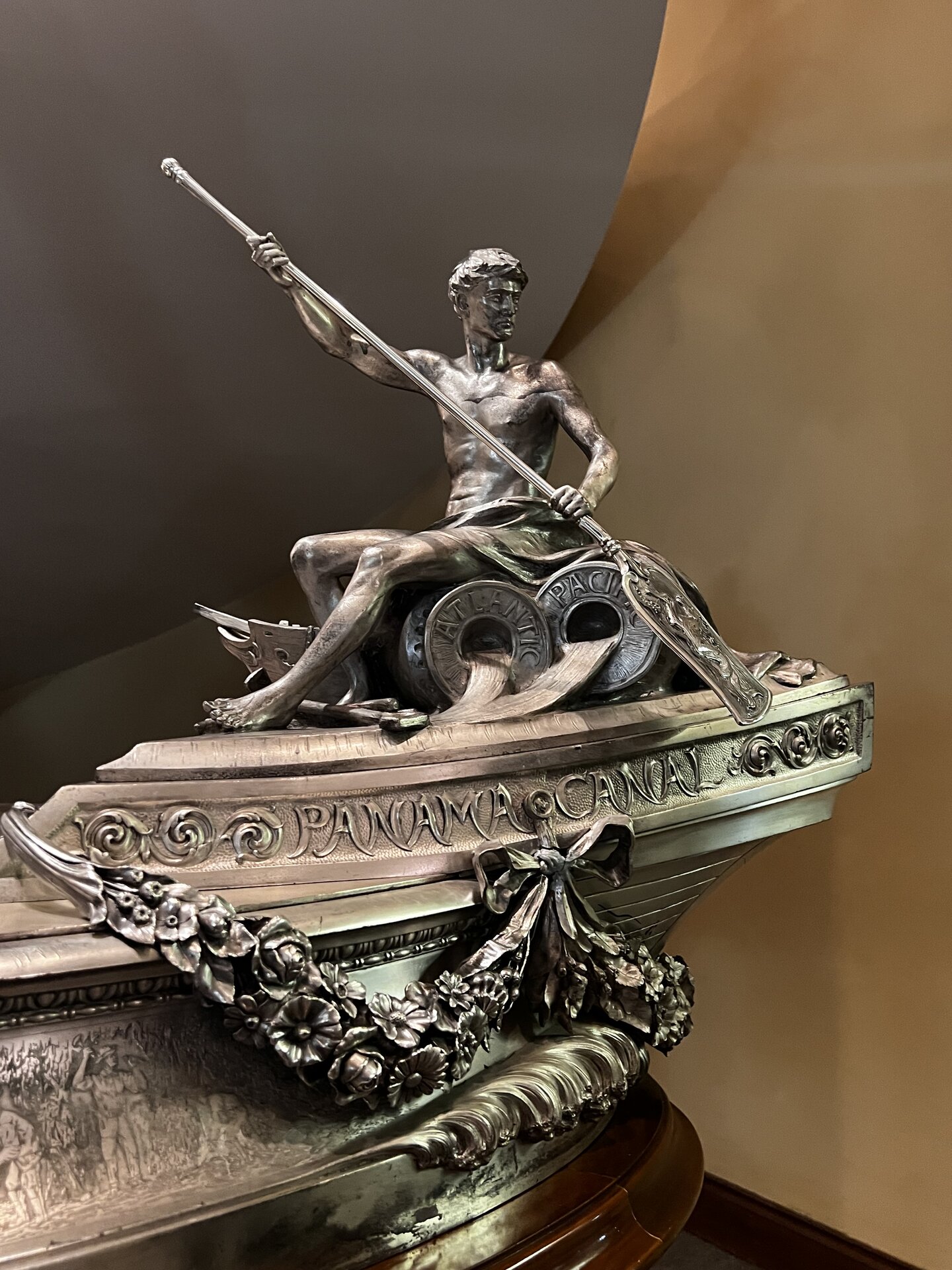
Commerce and the Panama Canal, the fifty-mile shortcut that rewired the world.
The Canal cut the New York to San Francisco sea route by 7,800 miles. Building it took 34 years, two countries, 25,000 lives, and the invention of tropical medicine, industrial excavation, and a lock system that still moves the global economy.
Read the piece
 Entry 027
V12, sleeve valves, royal warrant
July 2026
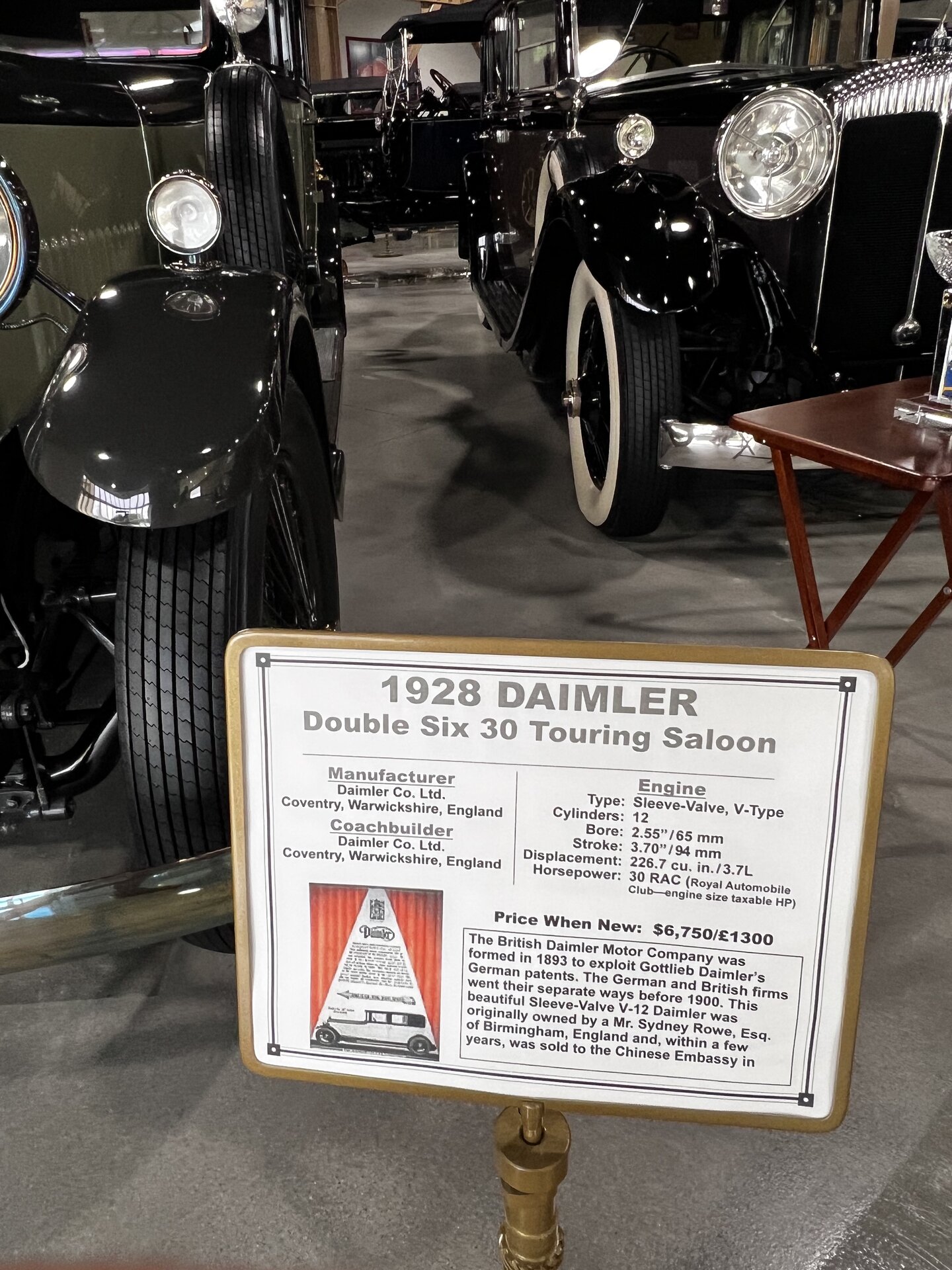
The 1928 Daimler Double Six 30 Touring Saloon, the sleeve-valve twelve that carried the British crown.
A Knight sleeve-valve V12 of 30 taxable horsepower, built when Daimler was the official car of the British royal family. Silent, enormous, and mechanically unlike anything else on the road in 1928.
Read the piece
 Entry 028
Stainless steel future
July 2026
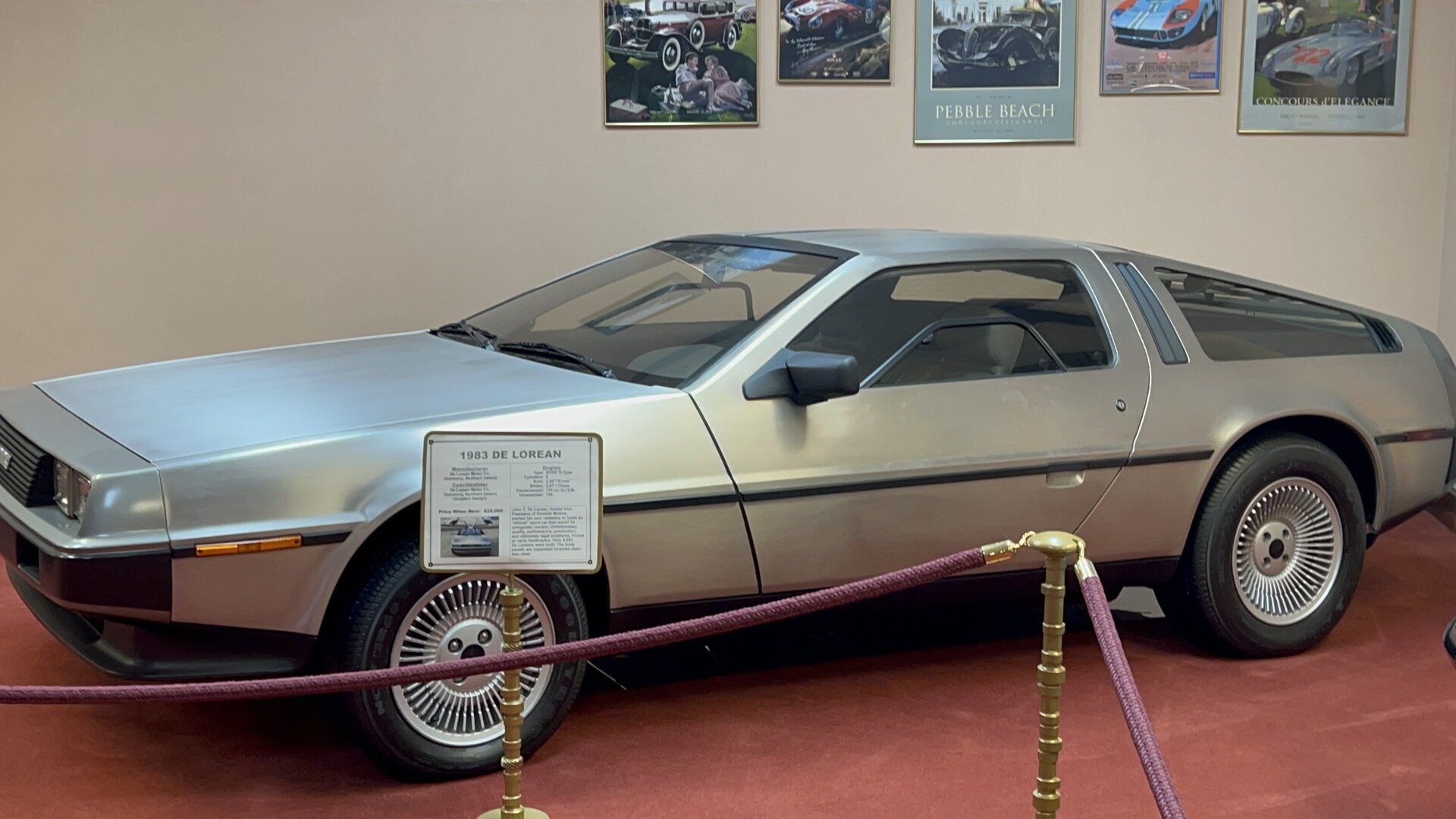
The DeLorean, stainless steel ambition and the cost of being unforgettable.
The DeLorean became famous because it looked like a future the industry did not ship. Its stainless skin, gullwing doors, and cultural afterlife show how design can outrun the business beneath it.
Read the piece
 Entry 029
Twenty Grand at the Century of Progress
July 2026
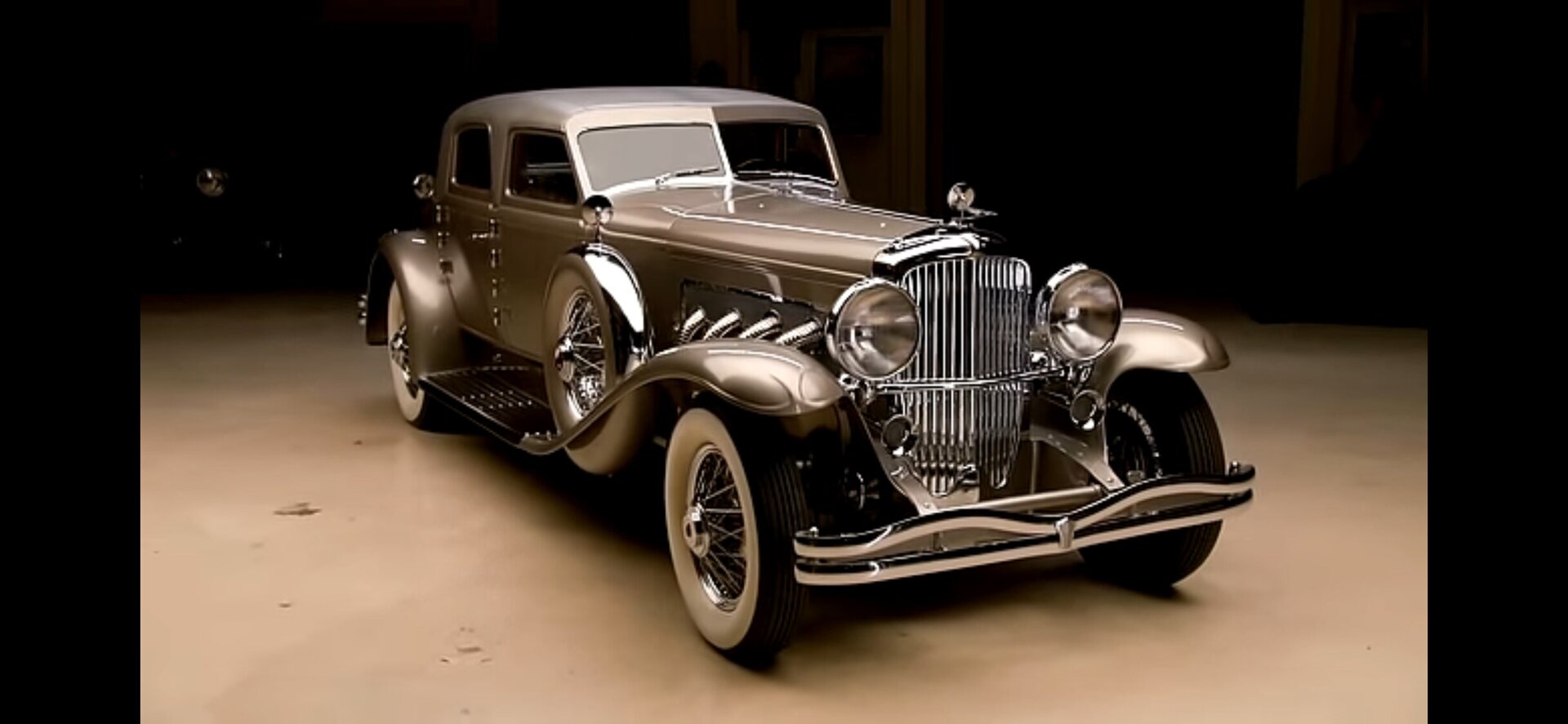
The 1933 Duesenberg Twenty Grand, the $20,000 SJ that stopped the Chicago World's Fair.
A supercharged Model SJ, coachbuilt by Rollston, displayed on a revolving stand at the 1933 Chicago Century of Progress. Its price on the plaque, $20,000, gave the car its name and made it the most expensive automobile in the world at the height of the Great Depression.
Read the piece
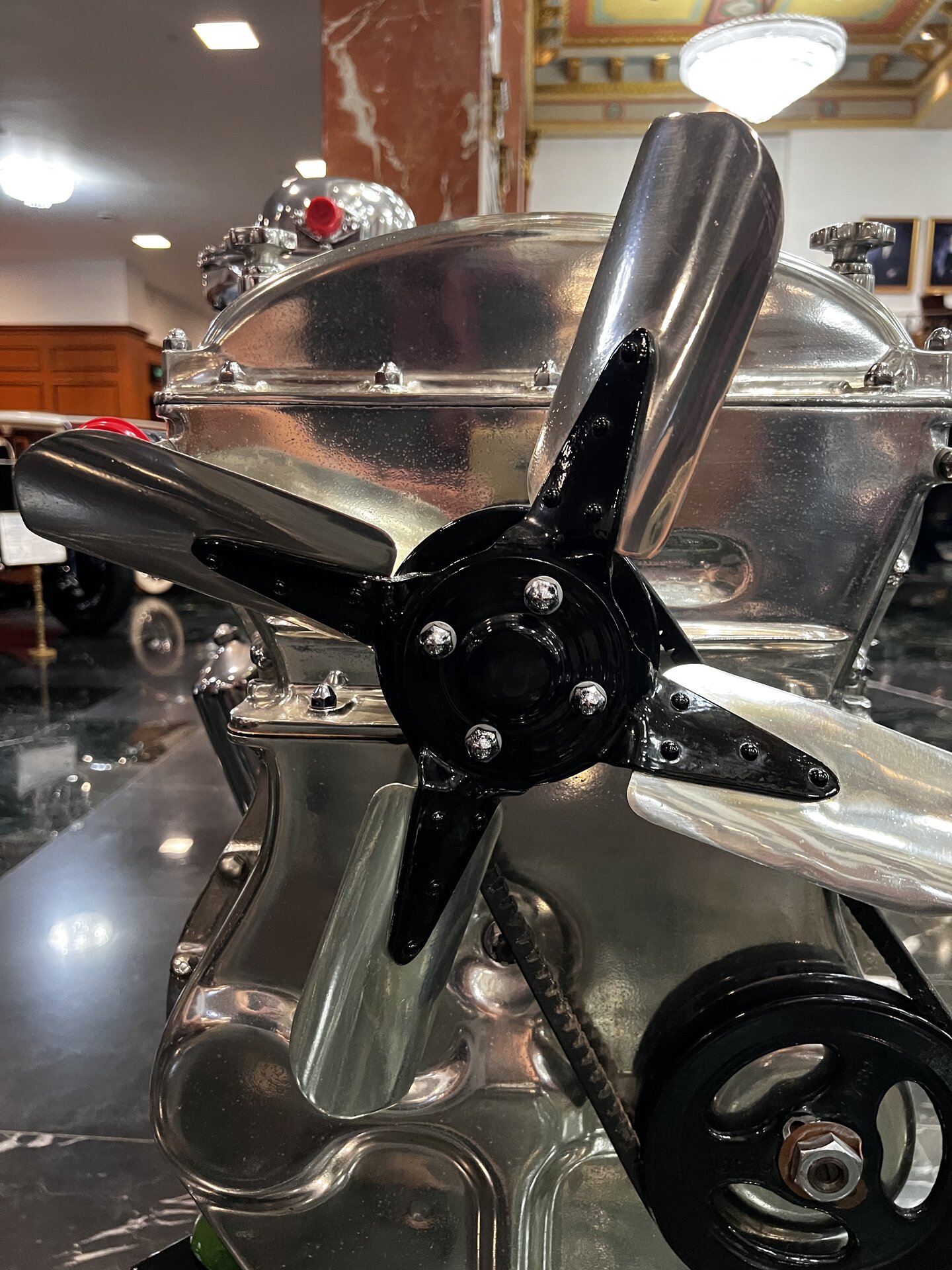 Entry 030
Engine as thesis
July 2026
The Duesenberg engine, where American performance learned to breathe.
The Duesenberg engine is the argument under the bodywork: overhead cam thinking, racing discipline, precision breathing, and the confidence that power without control is not engineering.
Read the piece
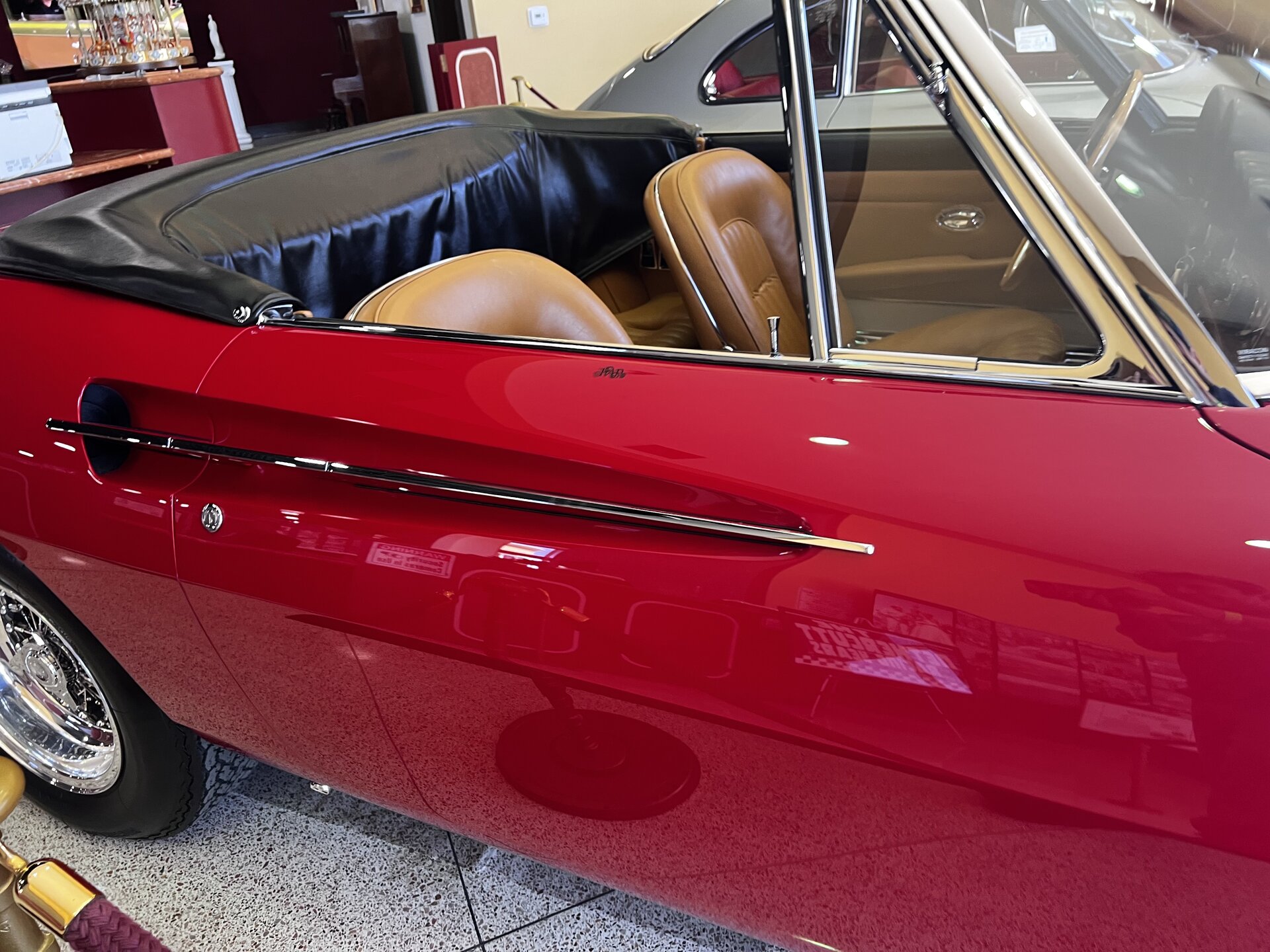 Entry 031
Won everywhere except one lawn
July 2026
Ferrari, the racing team that sells cars, and the marque that has never won Pebble Beach.
16 Formula One constructors' titles, 9 Le Mans overall wins, 240 grand prix victories. Not one Best of Show at the Pebble Beach Concours d'Elegance. Ferrari builds racing cars for the road, and the concours world was built for something else.
Read the piece
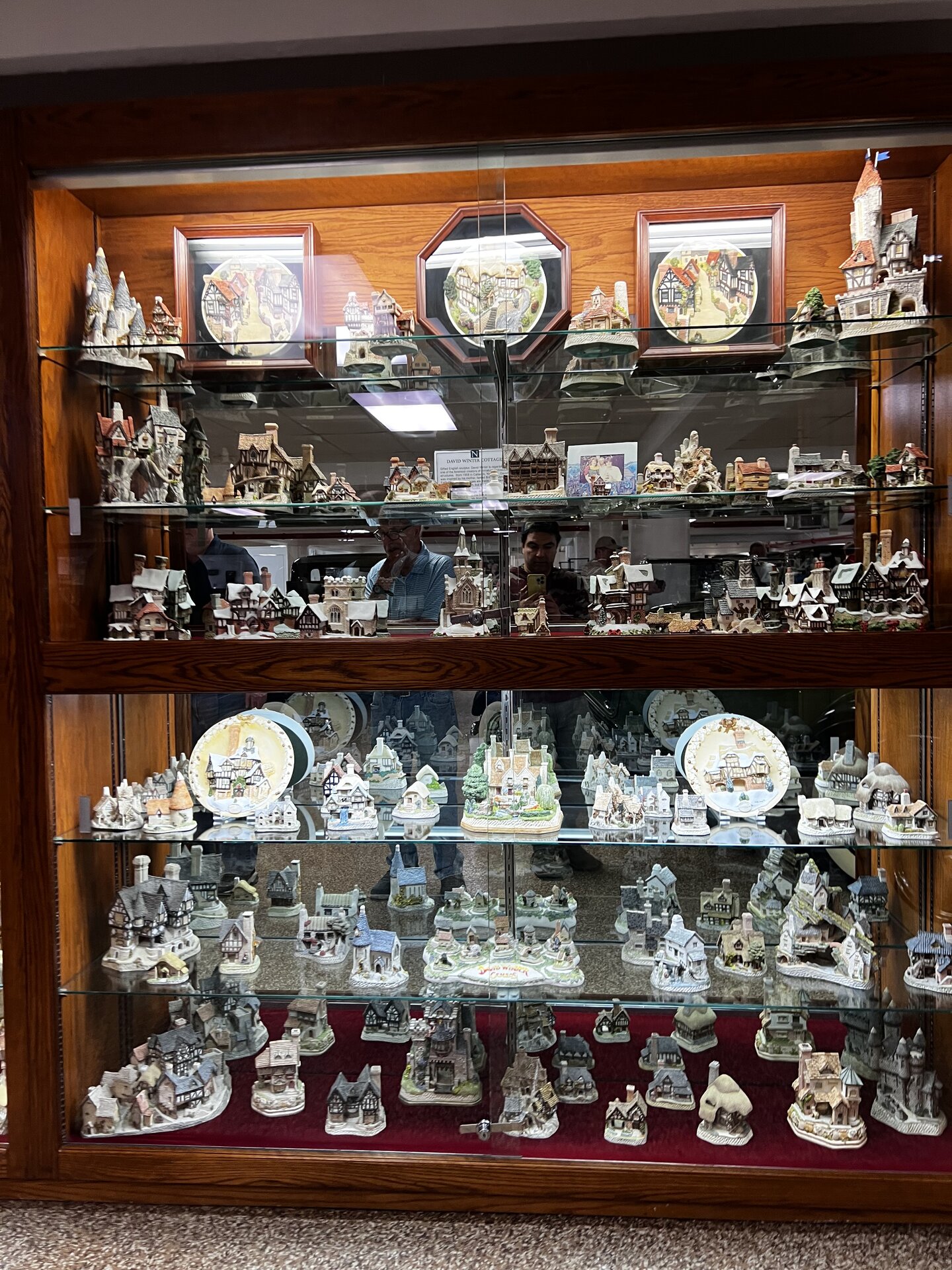 Entry 032
One artist, six million cottages
July 2026
The David Winter Cottages, the world's most collected miniature English houses.
David Winter sculpted hand-cast miniature English cottages from 1979 until his death in 2016. More than six million pieces sold, a collectors' guild of over 100,000 members, and a body of work that turned a Yorkshire studio into the reference standard for miniature architecture.
Read the piece
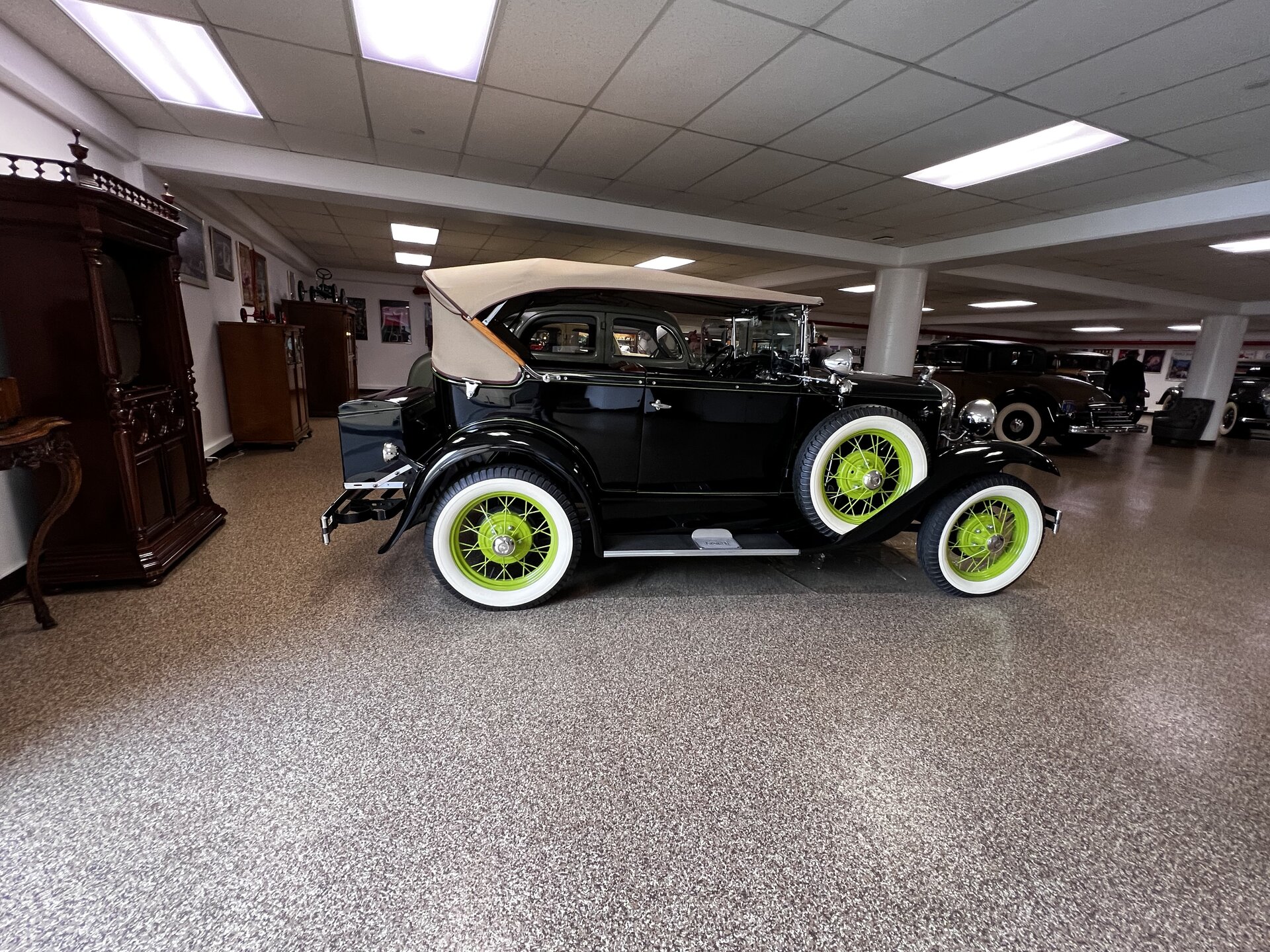 Entry 033
The second act of scale
July 2026
The Ford Model A, mass mobility after the Model T changed the world.
The Model A had to do something harder than invent mass motoring. It had to modernize it without losing affordability, serviceability, and the trust Ford had already installed into the public mind.
Read the piece
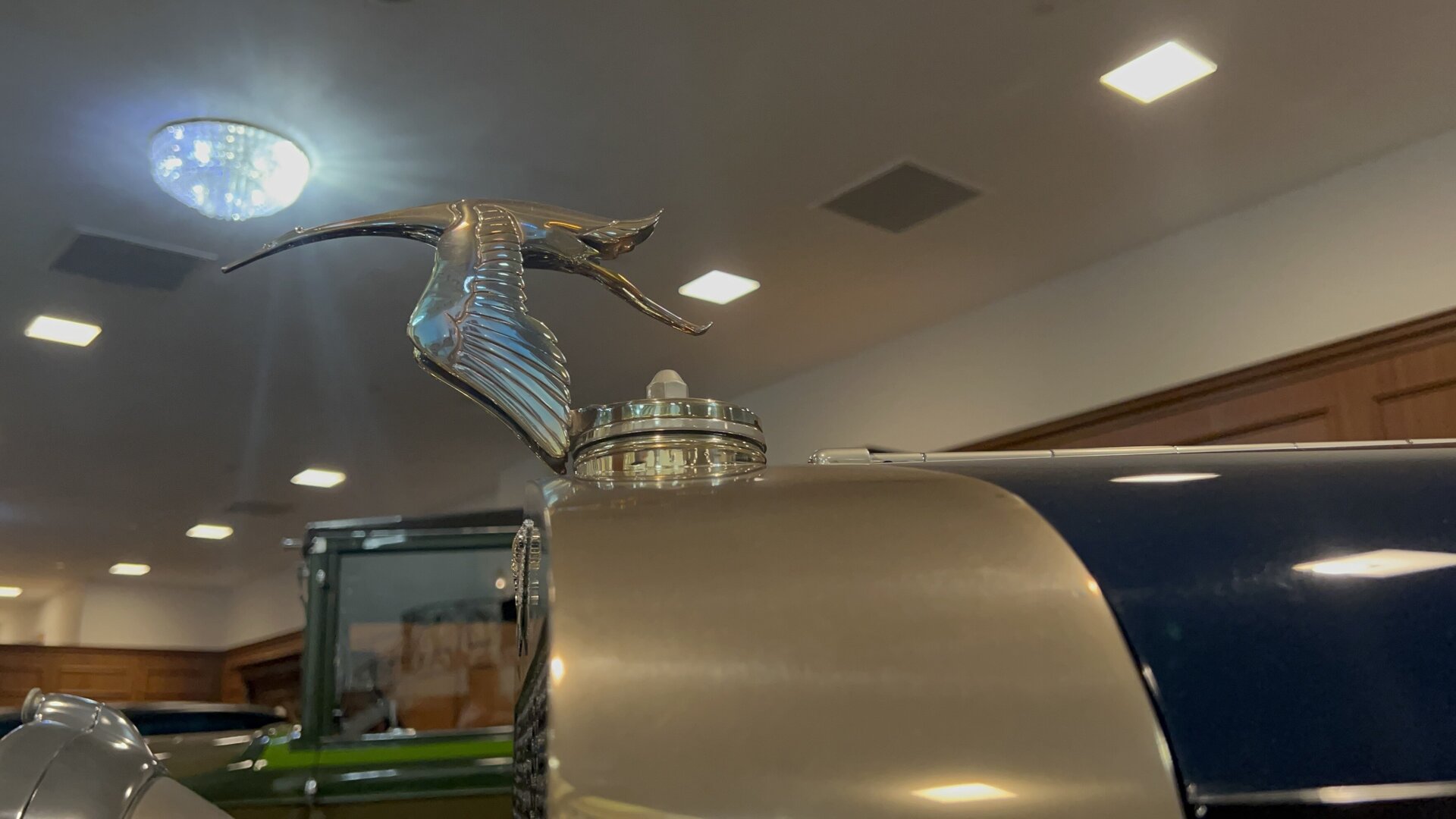 Entry 034
Marble, mirrors, and coachbuilt cars
July 2026
The Nethercutt Grand Salon, one of the great private automobile rooms in the world.
J.B. and Dorothy Nethercutt modeled the Grand Salon on a 1920s luxury dealer showroom. Rose marble floor, French plate mirrors, twelve-foot ceilings, and around thirty of the finest pre-war coachbuilt cars on Earth, chosen one at a time over sixty years.
Read the piece
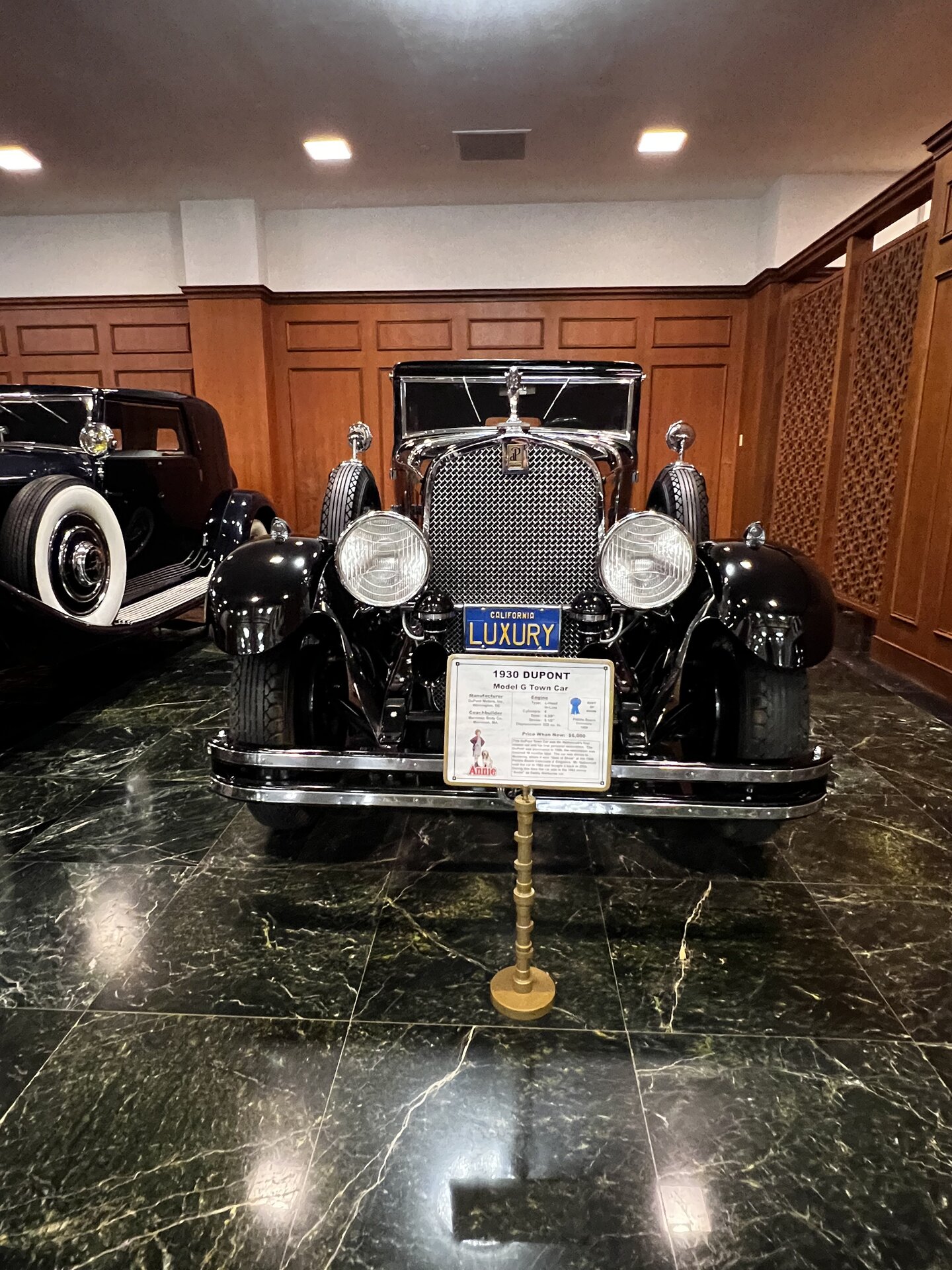 Entry 035
Coachbuilt census
July 2026
Inside the Nethercutt Grand Salon, a private census of the pre-war automobile at its peak.
Duesenberg SJ, Bugatti Royale, Rolls-Royce Phantom, Isotta Fraschini, Hispano-Suiza, Delage, Delahaye, Packard Twelve, Cadillac Sixteen. The Grand Salon is not a car park. It is a curated argument about who built the best automobile between the wars.
Read the piece
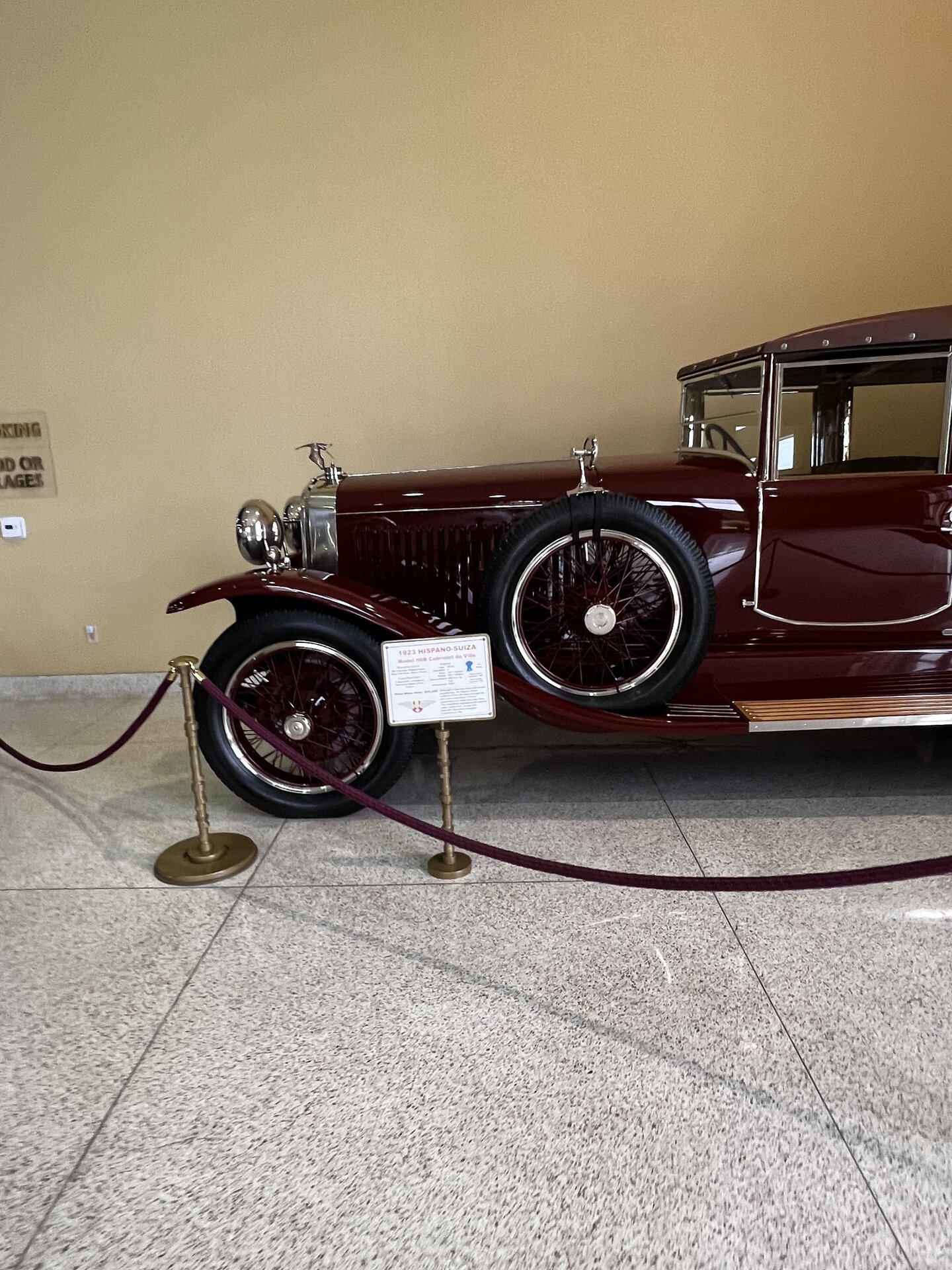 Entry 036
Aviation-grade luxury
July 2026
The Hispano-Suiza, aircraft thinking brought down to the road.
Hispano-Suiza stands apart because its road cars carried aircraft-era seriousness: aluminum thinking, braking discipline, power density, and an insistence that luxury could be deeply technical.
Read the piece
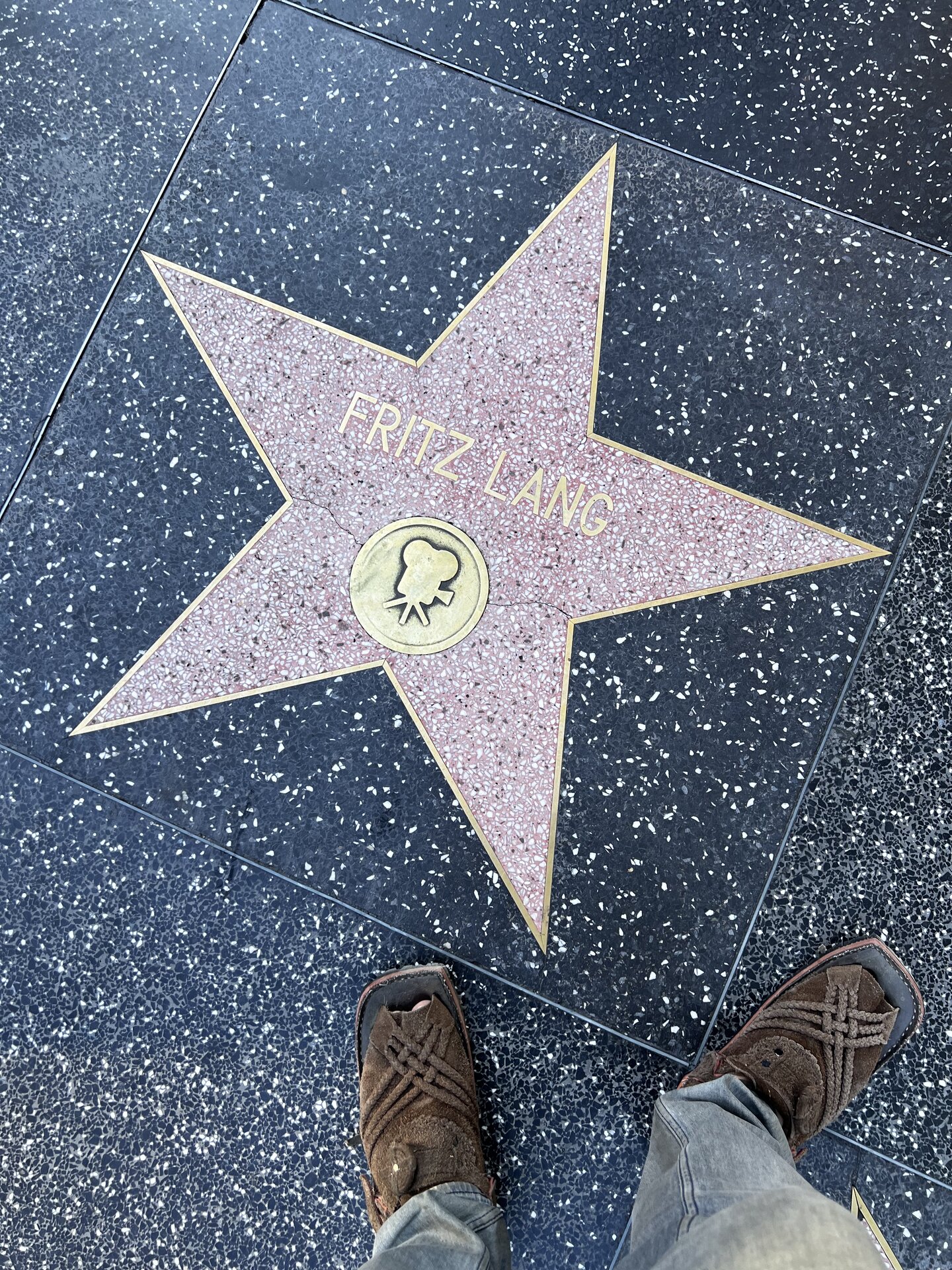 Entry 037
Cars as public image
July 2026
Hollywood stars and their cars, when machines became identity systems.
Hollywood understood the automobile early. Cars became extensions of persona: speed, wealth, taste, rebellion, distance, privacy, and public fantasy, all delivered in sheet metal.
Read the piece
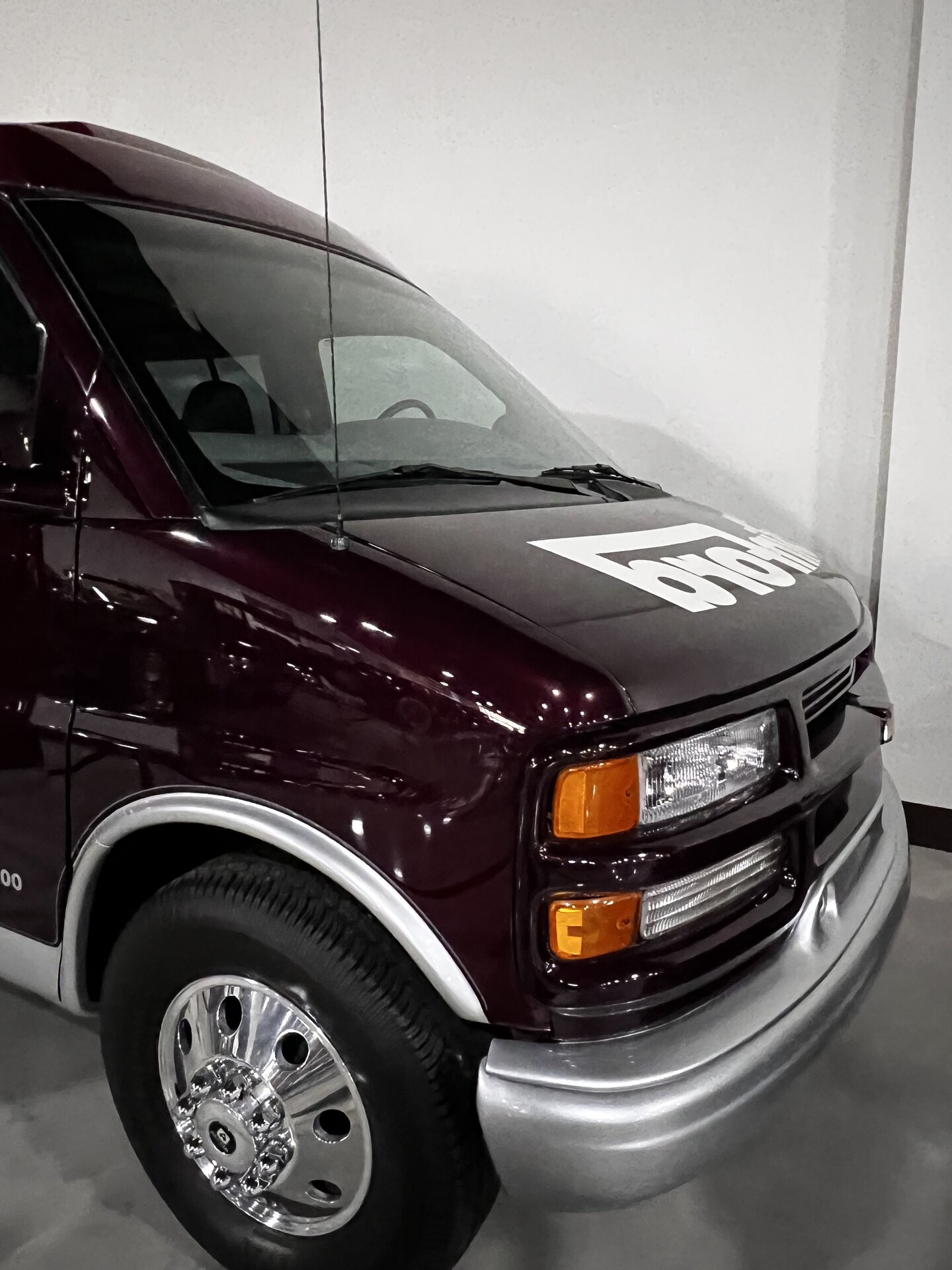 Entry 038
Work van logic
July 2026
The home improvement van, the working vehicle as economic infrastructure.
A work van is not glamorous, but it is civilization hardware. It carries tools, parts, labor, commerce, and the daily proof that mobility is as much about work as leisure.
Read the piece
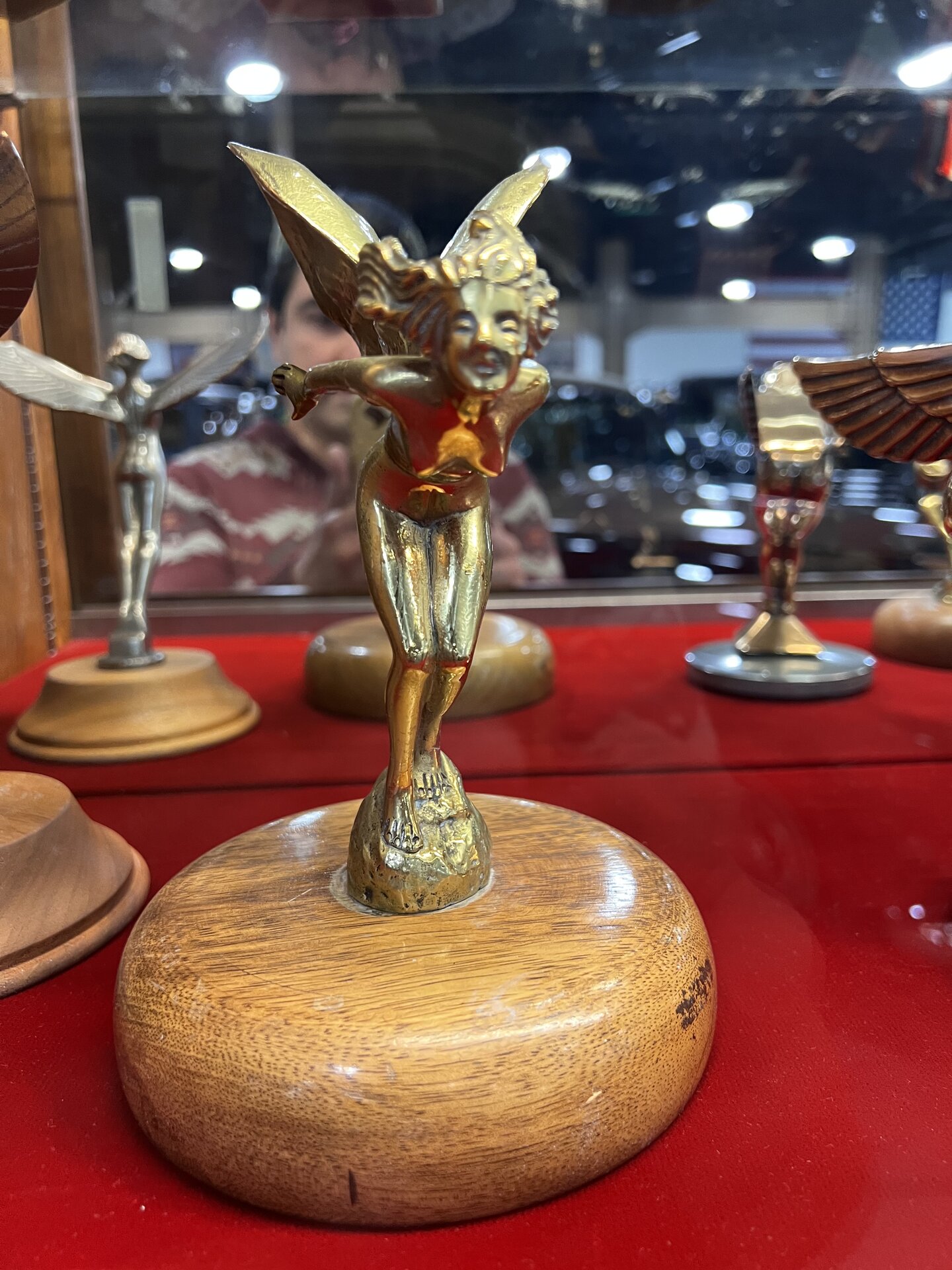 Entry 039
Charles Sykes, 1911
July 2026
The Spirit of Ecstasy, the lady on the front of every Rolls-Royce.
Sculptor Charles Sykes modeled her in 1910 on Eleanor Thornton, the secretary and secret love of Lord Montagu of Beaulieu. Introduced as the official Rolls-Royce mascot in February 1911 and never removed. Still there in 2026.
Read the piece
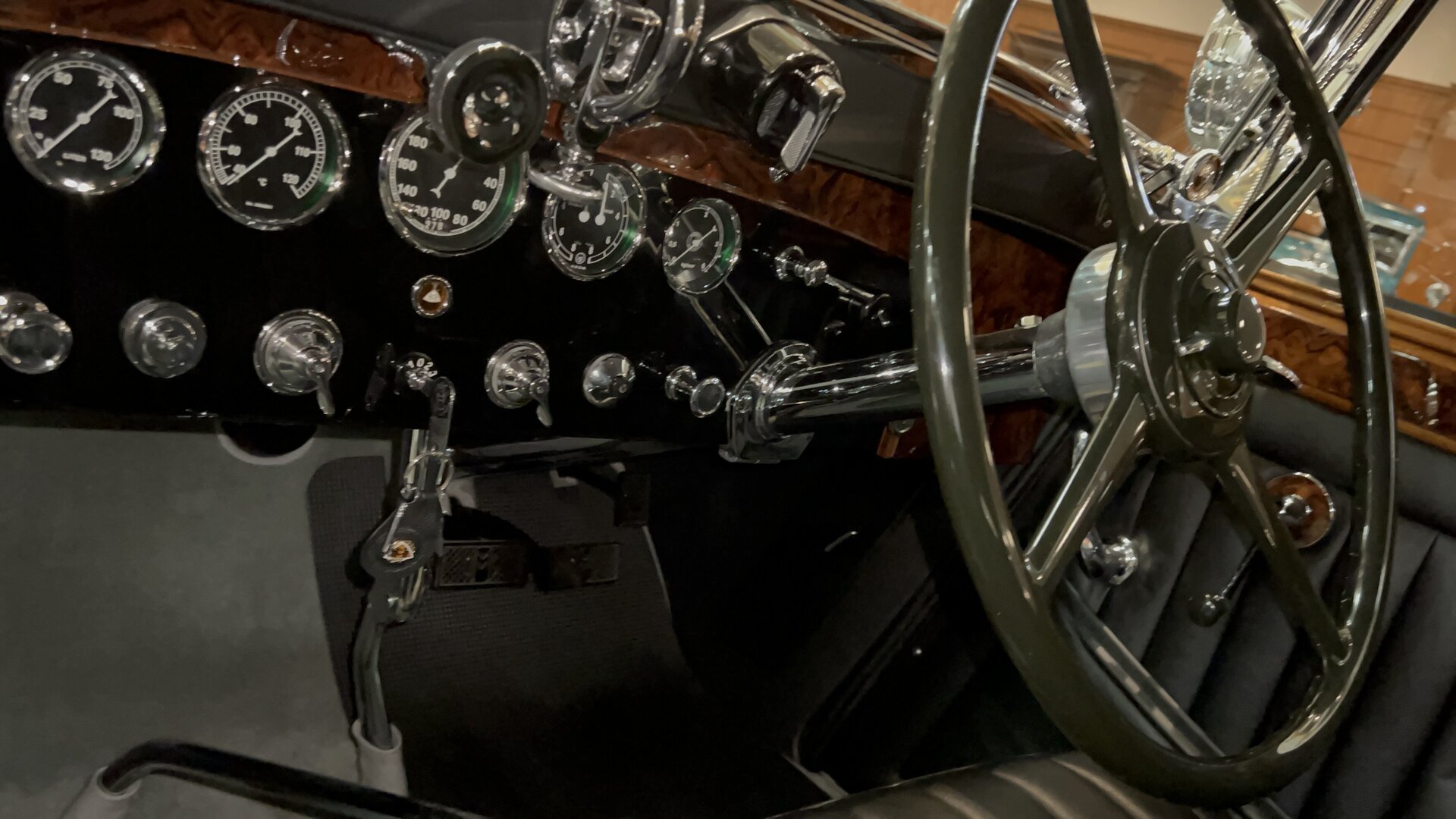 Entry 040
Wilhelm Maybach's other legacy
July 2026
The Maybach Zeppelin, the pre-war V12 named after the airship its engine flew in.
Wilhelm Maybach was the engineer behind the first Mercedes. His son Karl built a V12 for the Graf Zeppelin airship, then dropped it into a road car and called it the Zeppelin. In 1930 it was the finest German car in production, driven by industrialists, kings, and no one else.
Read the piece
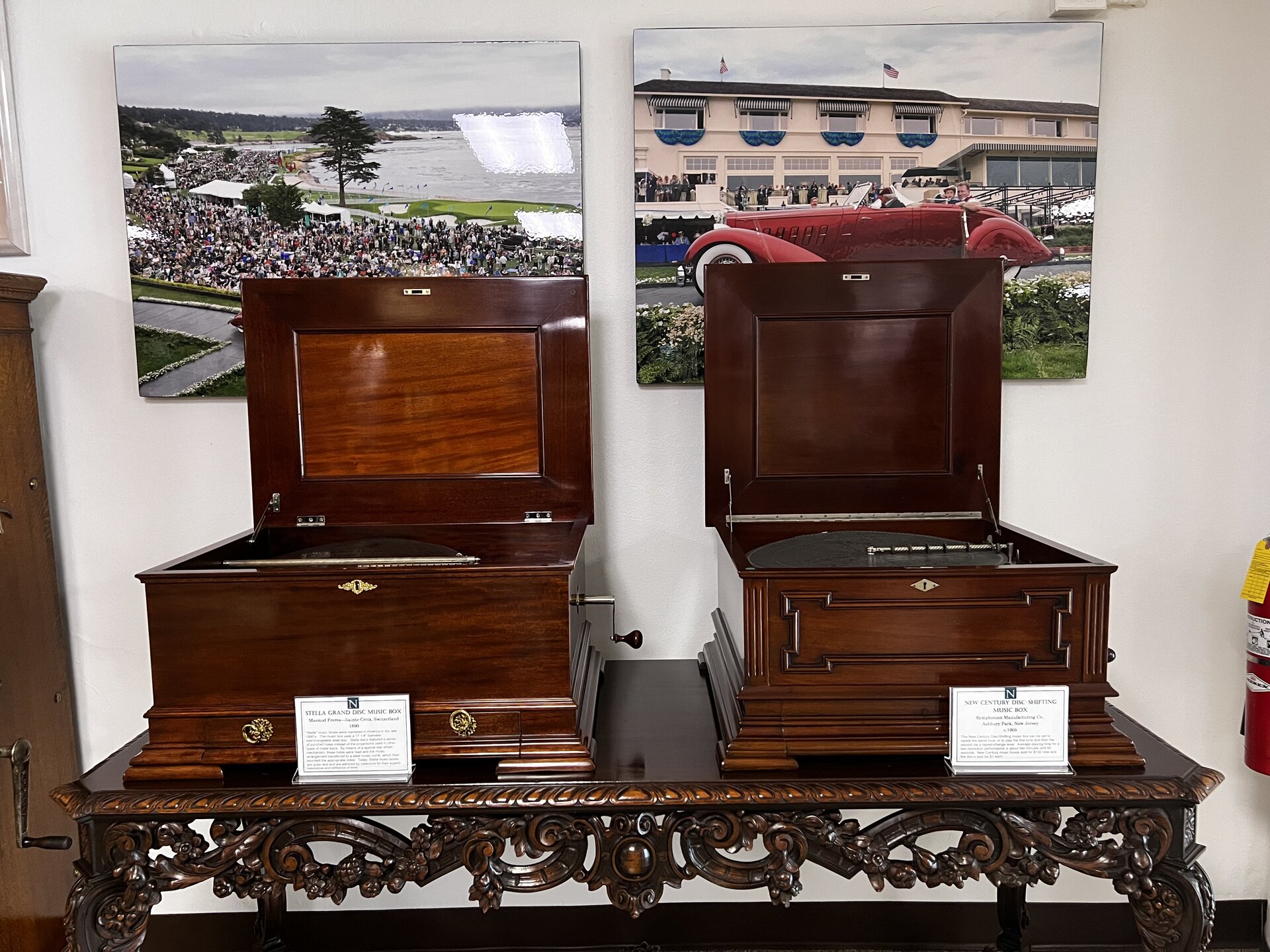 Entry 041
Music before Edison
July 2026
The mechanical music instruments of the Nethercutt Collection, when machines were the concert hall.
Cylinder music boxes, orchestrions, reproducing pianos, band organs, and a Mighty Wurlitzer theatre organ. Before recorded sound, this hardware was how a household, a restaurant, or a movie palace produced music. The Nethercutt holds one of the greatest collections on Earth.
Read the piece
 Entry 042
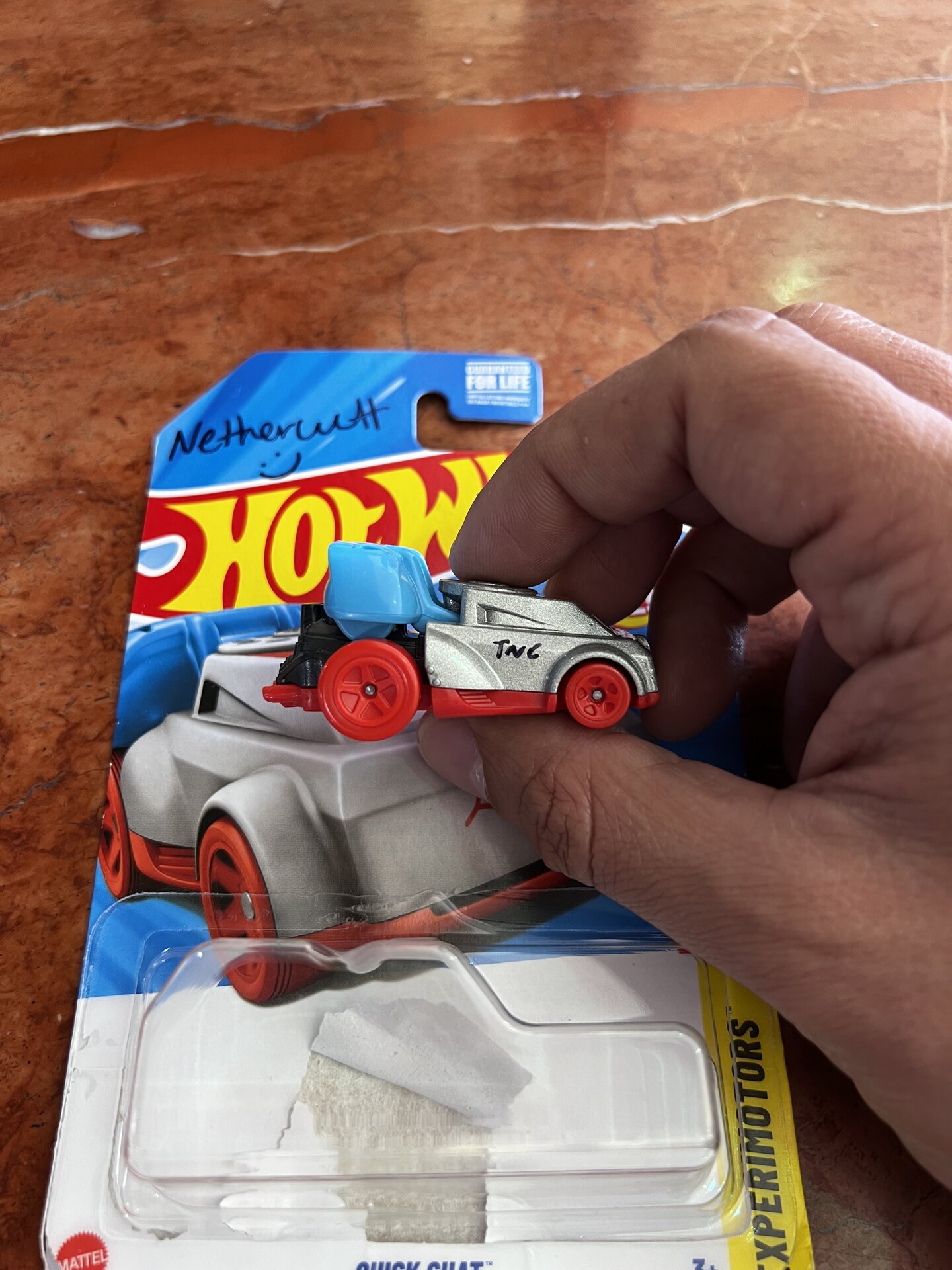
Hot Wheels, docents, and a gift from Sabine
July 2026
A gift from Sabine at the Nethercutt, and why toy cars are the entry drug of the entire car world.
Sabine at the Nethercutt Collection handed me a single die-cast car. Toy cars are how the automobile enters a child's imagination, and they are still traded, collected, and gifted between adults who never grew out of it. Hot Wheels alone has sold more than six billion cars since 1968.
Read the piece
 Entry 043
Art at the tip of the radiator
July 2026
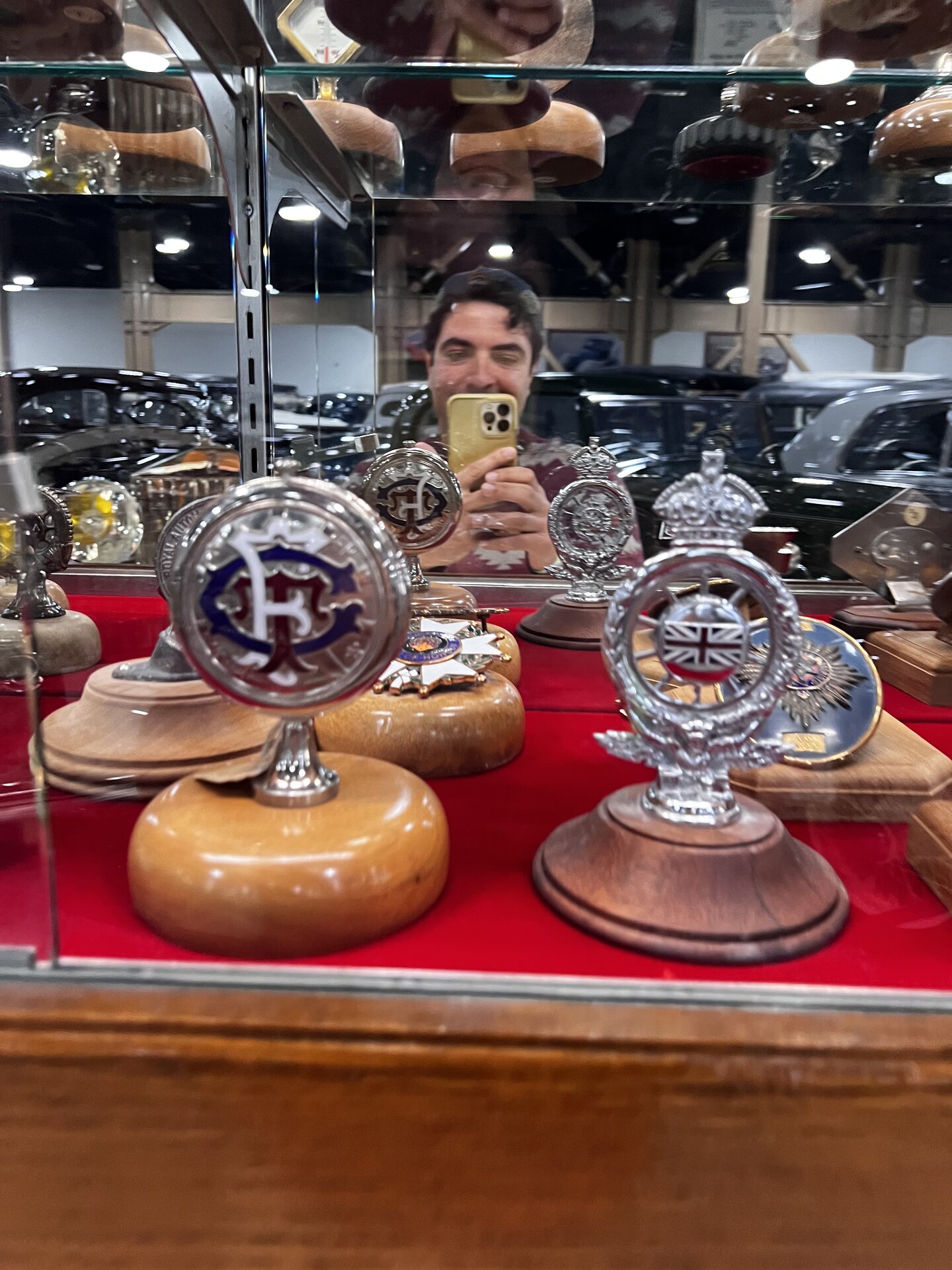
Hood ornaments, when a piece of a car was worth stealing off the front of it.
Lalique cast crystal ones. Sculptors like Charles Sykes and Frederick Bazin signed them. They were commissioned, collected, and stolen so often that the entire modern anti-theft industry, from steering locks to immobilizers to GPS trackers, has its roots in what people were willing to do to a car in the parking lot.
Read the piece
 Entry 044
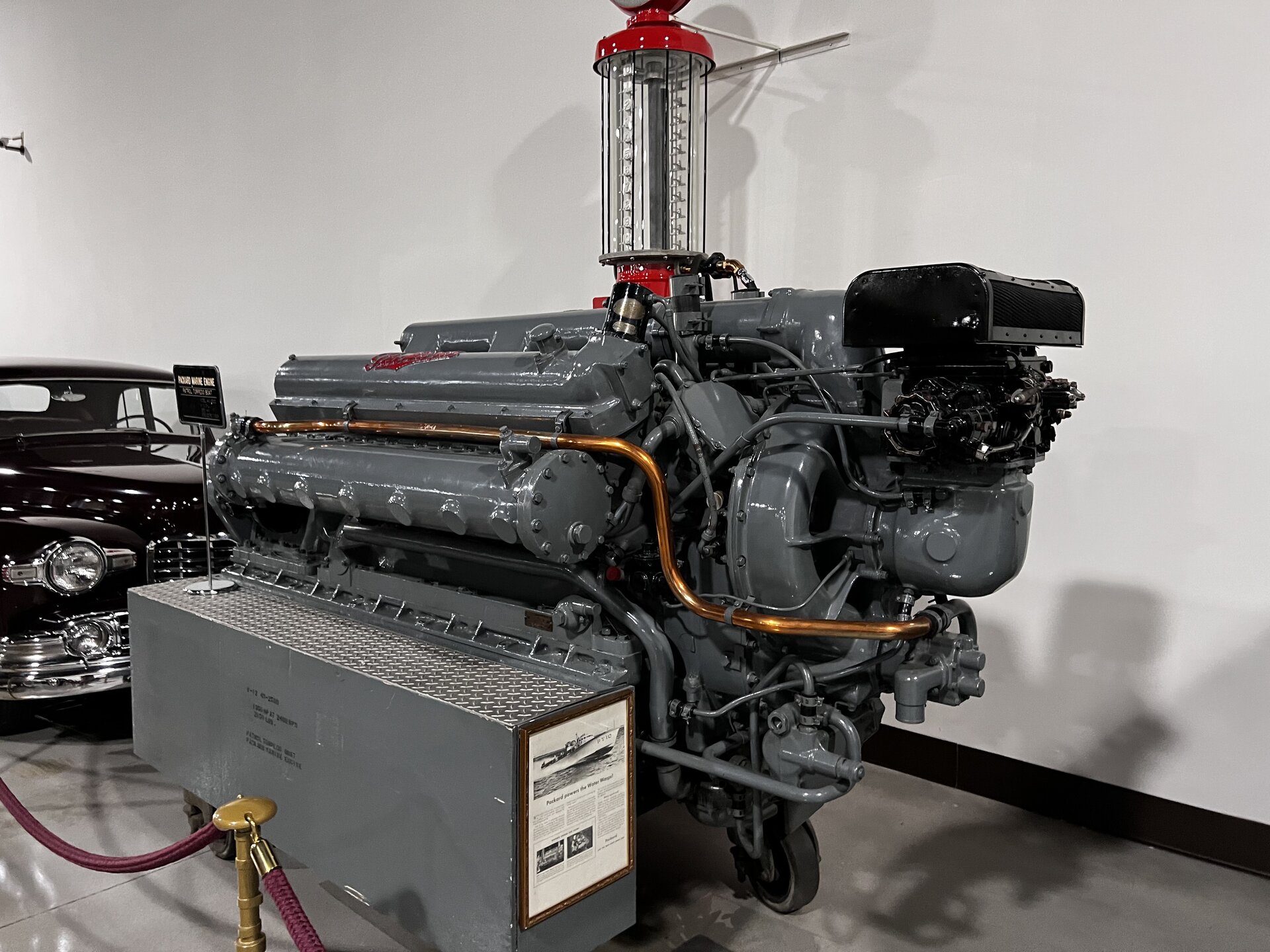
1,500 horsepower, salt water, no compromises
July 2026
The Packard 4M-2500, the V12 that powered PT boats through World War II.
A 41-liter aluminum-block V12, marinized from Packard's aircraft engine of the same architecture. Three of them per PT boat, 12,500 built for the war effort, and the reason John F. Kennedy's PT-109 could plane at 40 knots into the Solomon Islands.
Read the piece
 Entry 045
1901 to 1938, Buffalo, New York
July 2026
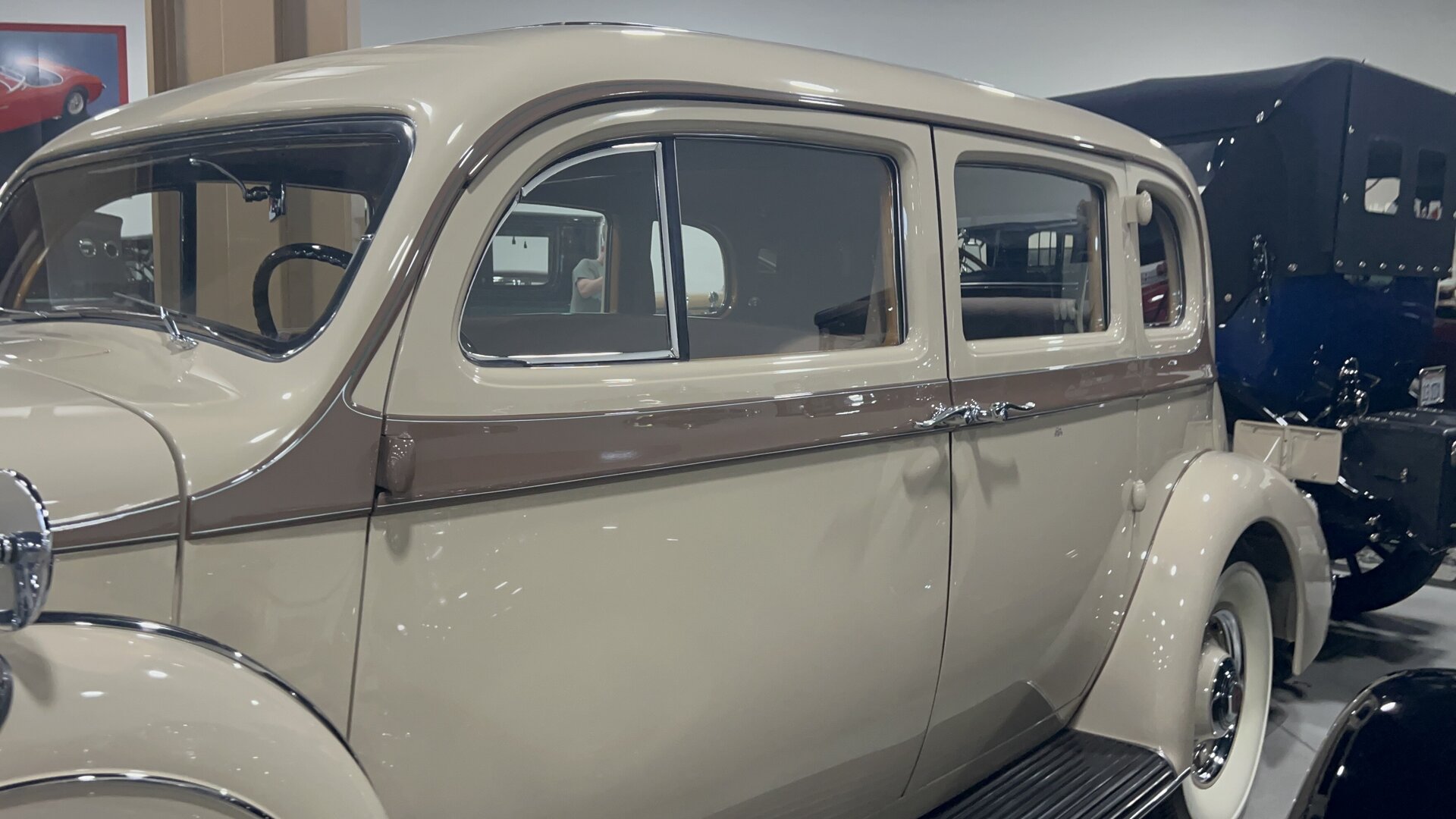
The Pierce-Arrow Motor Car Company, the Buffalo firm that put the headlights in the fenders.
Started as a bird cage and refrigerator maker. Built the presidential fleet from Taft to FDR. Pioneered fender-mounted headlamps in 1913, aluminum bodies, hydraulic tappets, and power brakes. Killed by the Depression in 1938, but every American luxury car after copied its detail obsession.
Read the piece
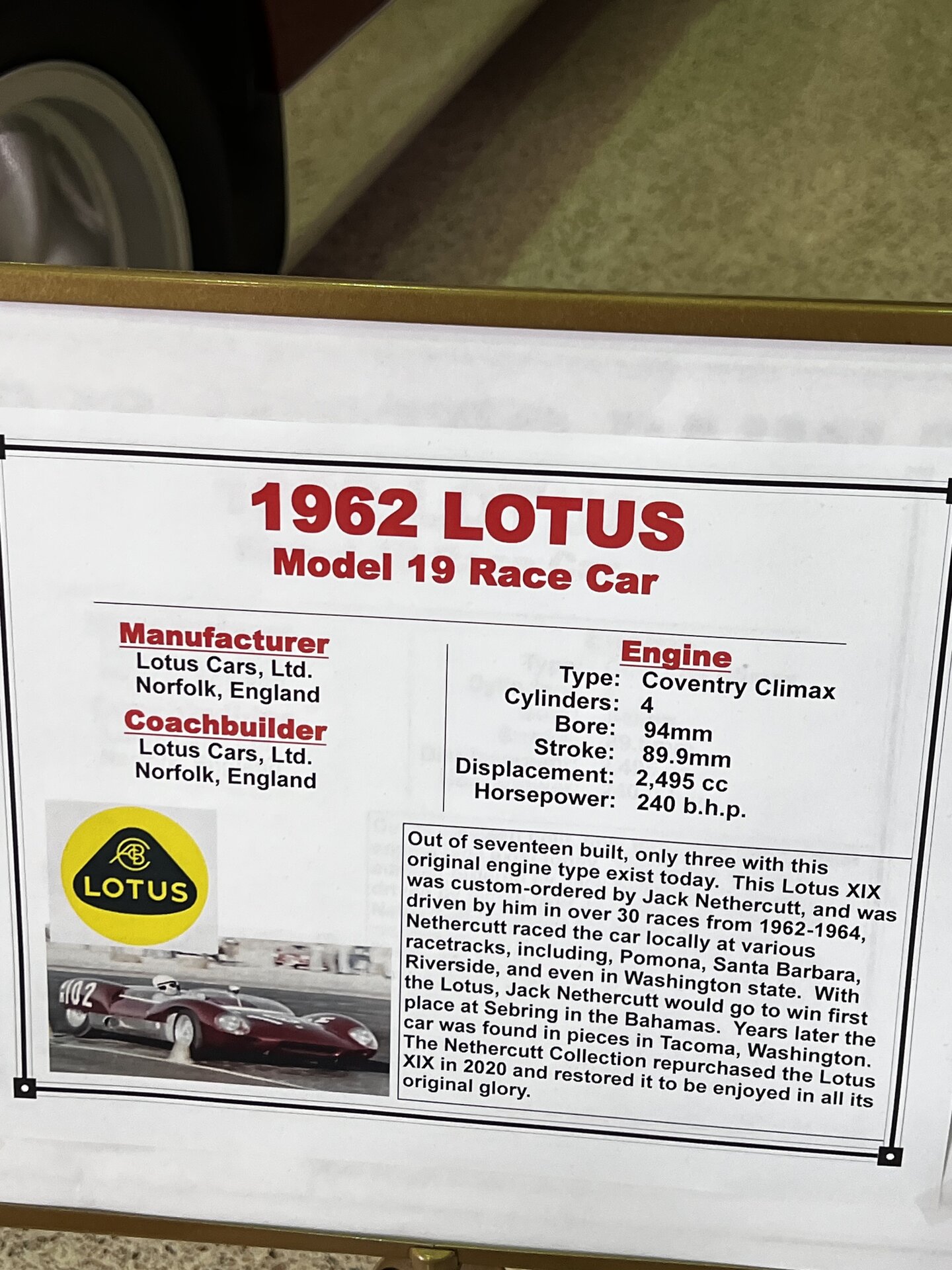 Entry 046
Colin Chapman built it. Nethercutt raced it.
July 2026
The 1962 Lotus Model 19 Monte Carlo, the race car J.B. Nethercutt drove himself.
A mid-engine Coventry Climax-powered sports racer designed by Colin Chapman as the successor to the Lotus 15. J.B. Nethercutt, the Merle Norman heir who built the collection, campaigned this car personally in period. The founder was a racer before he was a curator.
Read the piece
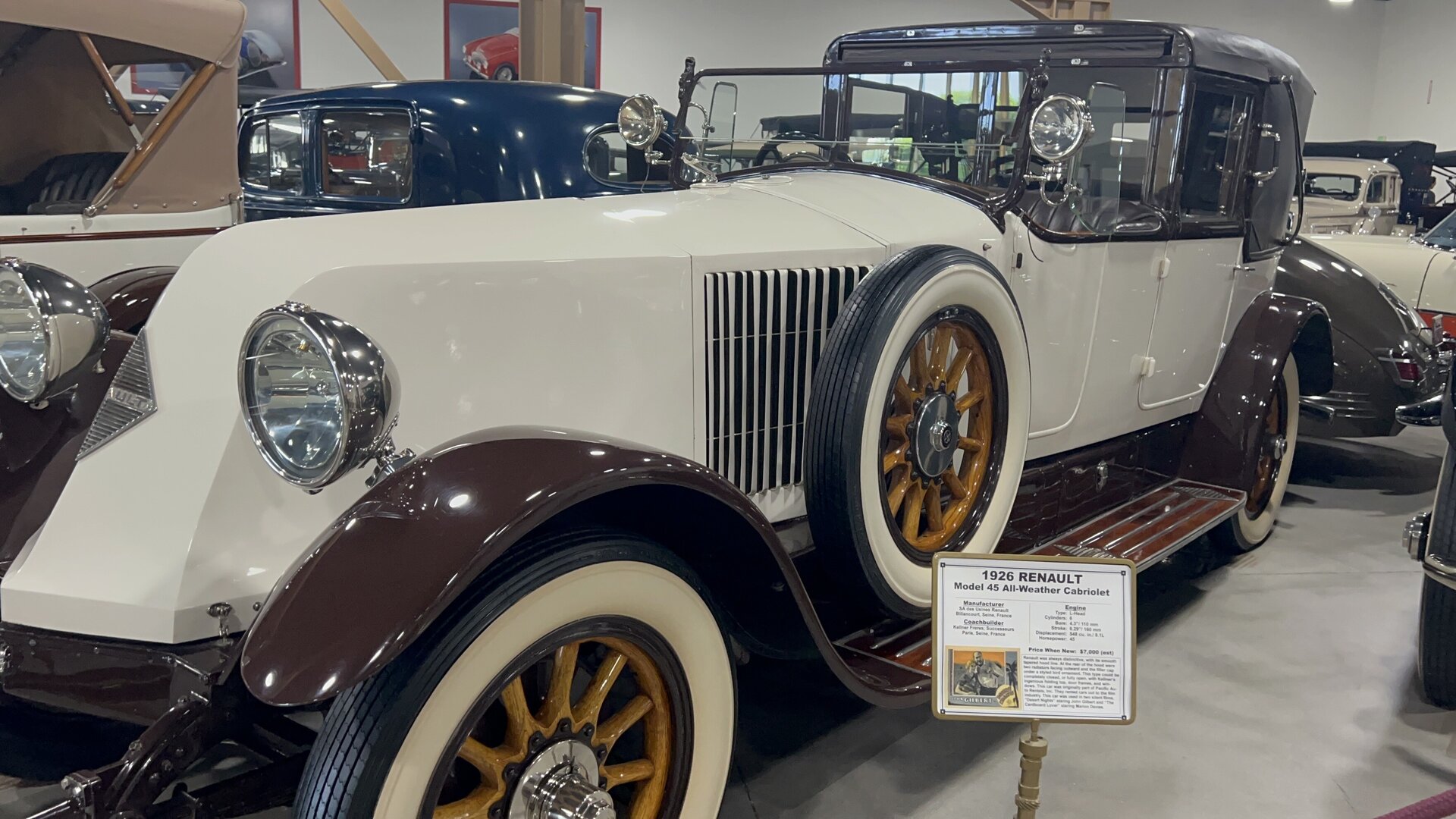 Entry 047
Packaging intelligence
July 2026
The Renault, French packaging and the early logic of useful mobility.
Renault's early importance is packaging: where to put the engine, how to use space, how to make a car practical, and how to turn clever layout into daily transportation.
Read the piece
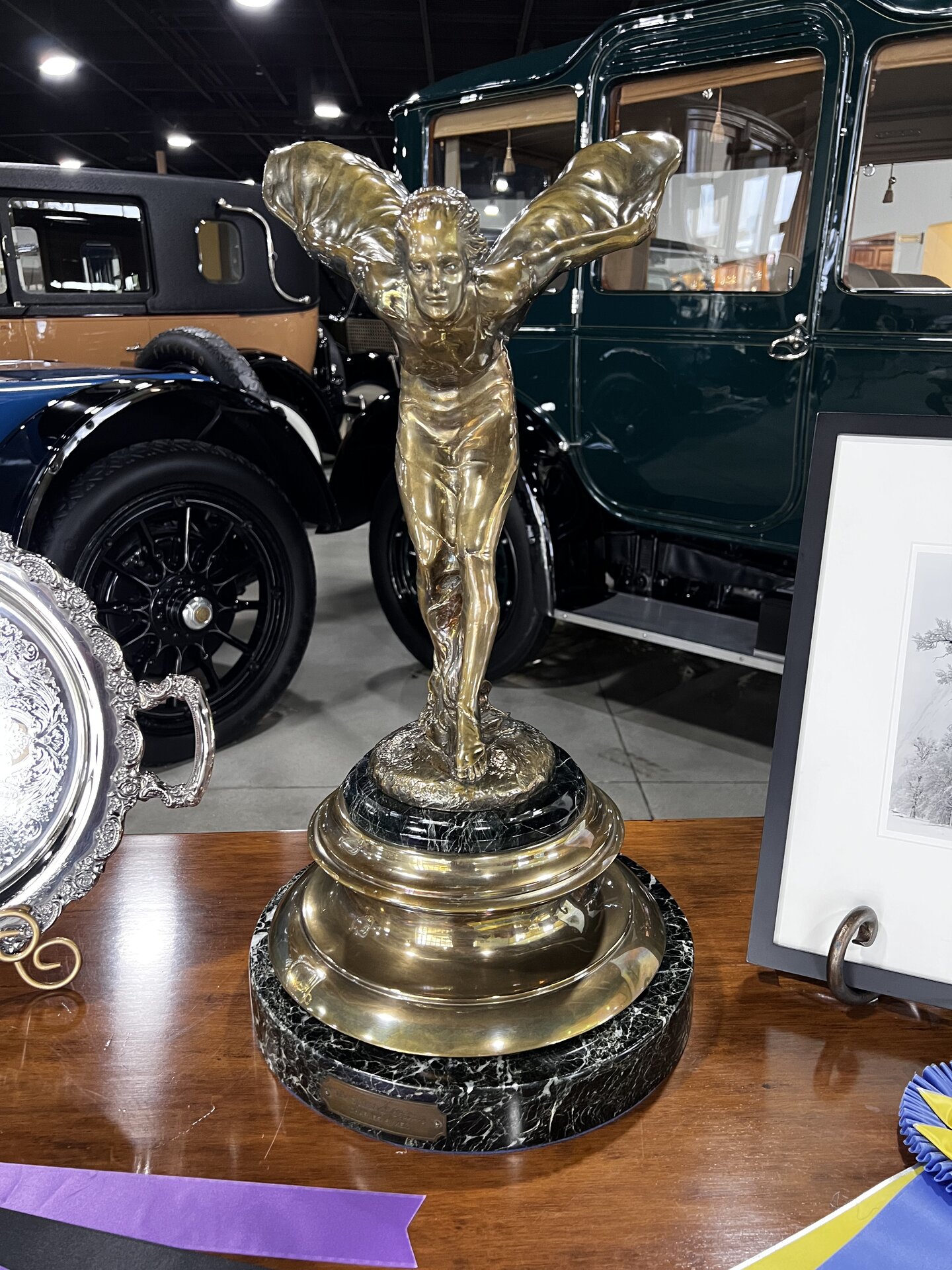 Entry 048
Charles Sykes' lady, at scale
July 2026
The Spirit of Ecstasy, life size, the most famous hood ornament ever made.
The photograph is a life-size version of the Spirit of Ecstasy, the sculpture that has stood on the radiator of every Rolls-Royce since 1911. Sykes modeled her on Eleanor Thornton. She has flown, kneeled, and been retracted for pedestrian safety, but she has never been retired.
Read the piece
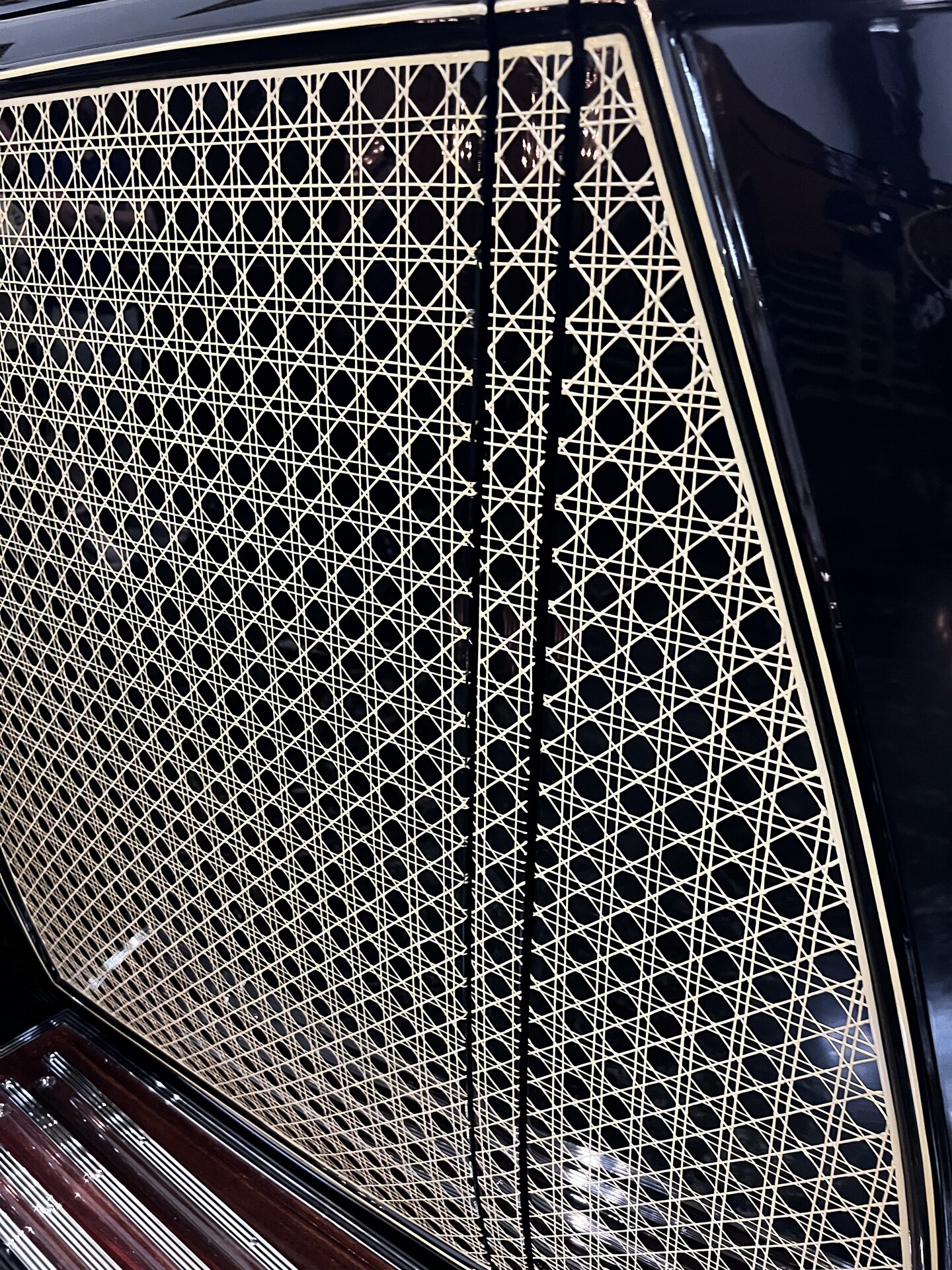 Entry 049
Bespoke, then and now
July 2026
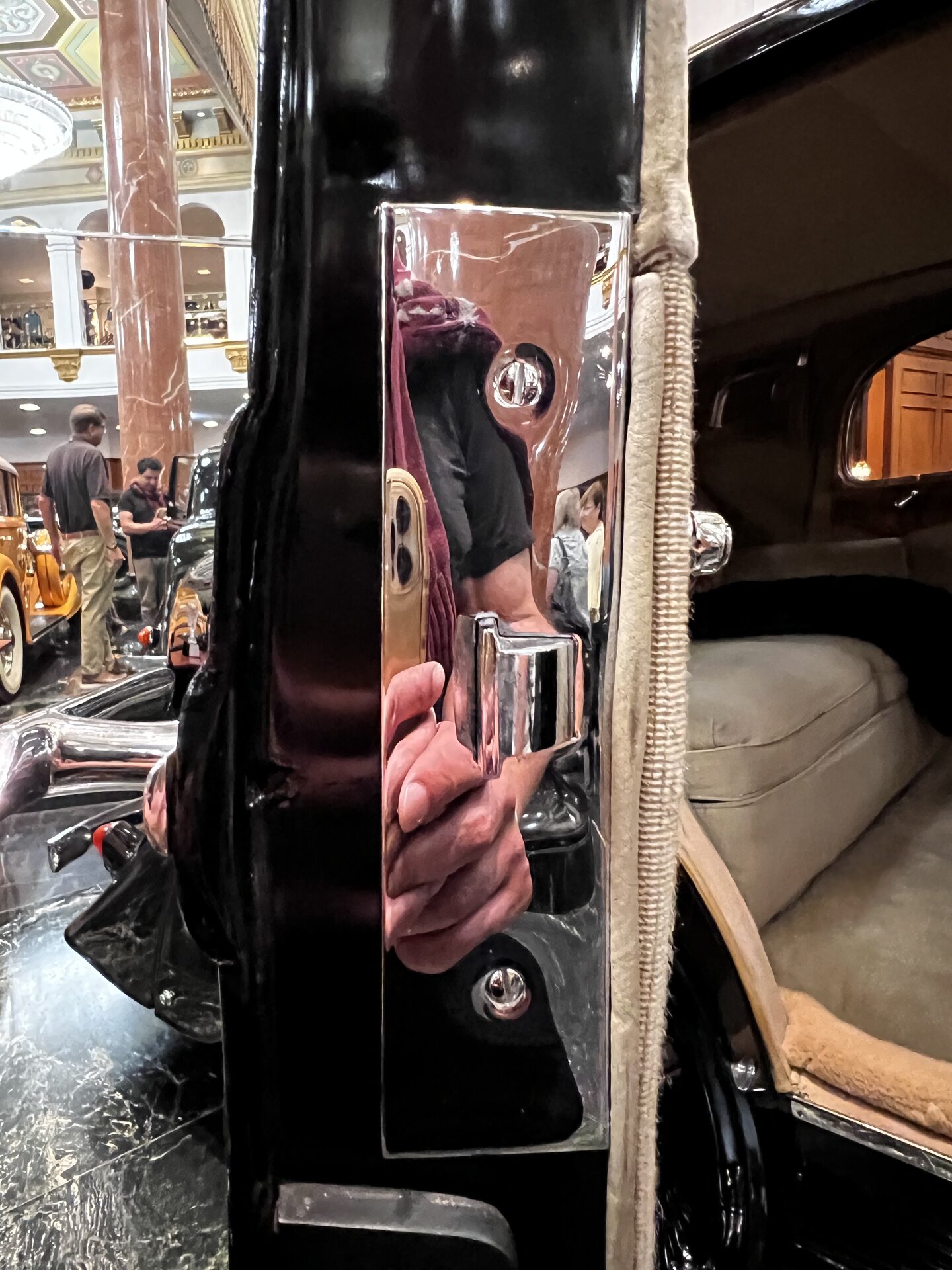
Rolls-Royce caning and the lost art of ordering a car to your own specification.
Woven cane on a coachbuilt body was standard on pre-war Rolls-Royces. Owners specified everything: wood species, headliner cloth, monograms, drinks cabinets, secret compartments. Today's cars are configurators. What was once a two-year commission is now a checkbox, and the market has forgotten what real personalization felt like.
Read the piece
 Entry 050
Burnout has a cost
July 2026
Rolls-Royce and Henry Royce, the poor overworked engineer who built the best car in the world and then never worked again.
Henry Royce grew up delivering newspapers and telegrams to keep his widowed mother fed. He built Rolls-Royce by working himself into a nervous collapse in 1902 and never returned to a full workday. It is poetic that the most restful car in the world was engineered by a man who did not know what rest was.
Read the piece
 Entry 051
Hudson 4-6-4, semi-streamlined
July 2026
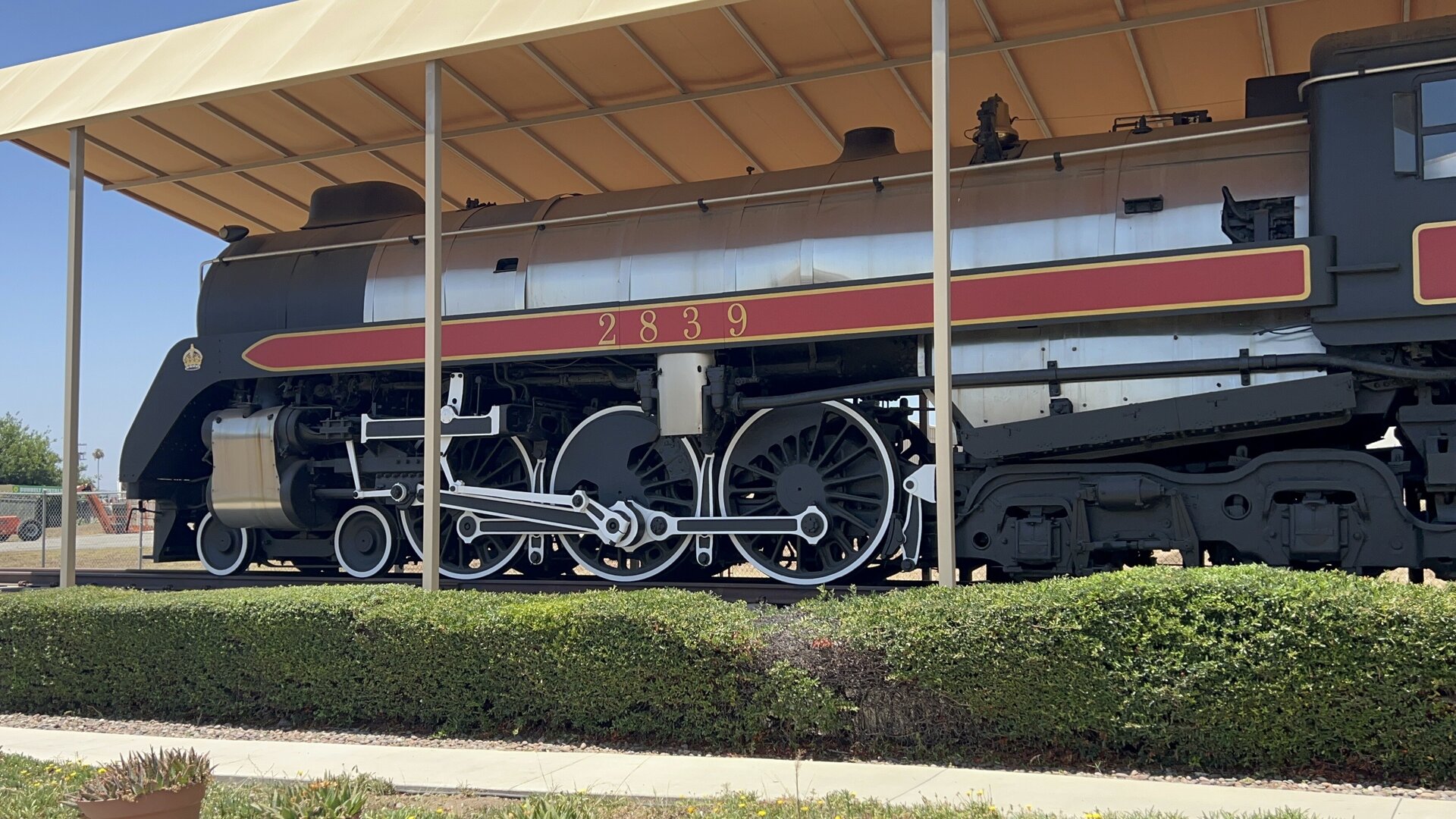
The 1937 Canadian Pacific Royal Hudson 2860, the steam locomotive that carried a King across a continent.
Built by Montreal Locomotive Works in 1937. Class H1e Hudsons pulled the 1939 royal train of King George VI and Queen Elizabeth 3,224 miles across Canada without a single mechanical failure, and were granted the title Royal Hudson by permission of the King himself.
Read the piece
 Entry 052
Rails still underpin the economy
July 2026
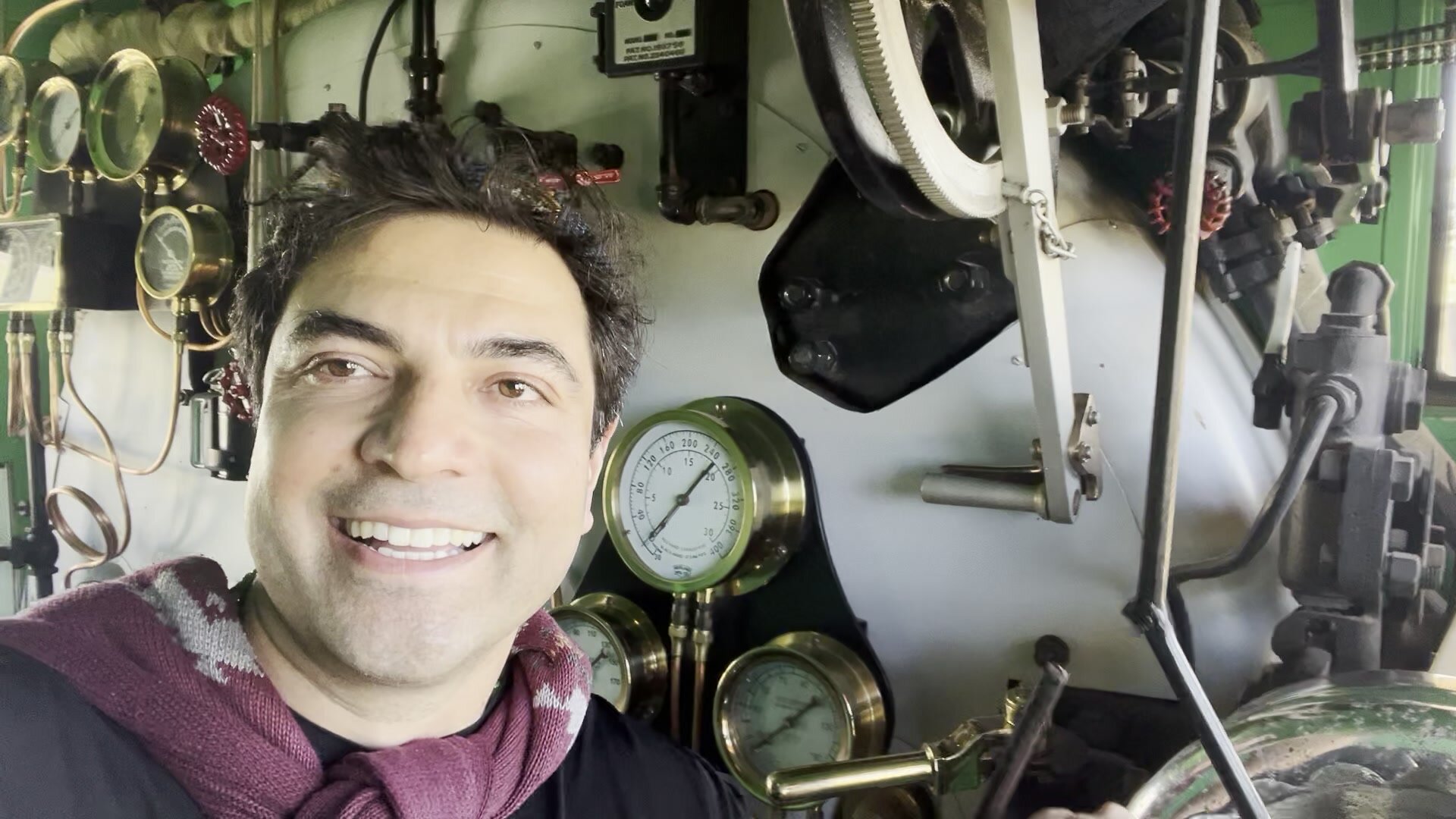
The train control room of the 1937 Royal Hudson, and how railroads built the modern world.
The photograph is the cab of the 1937 Canadian Pacific Royal Hudson locomotive. Railroads compressed continents, standardized time zones, opened settler frontiers, moved armies, and today still carry 40 percent of US ton-miles of freight, more than trucks and pipelines combined.
Read the piece
 Entry 053
141 years of seeing at night
July 2026
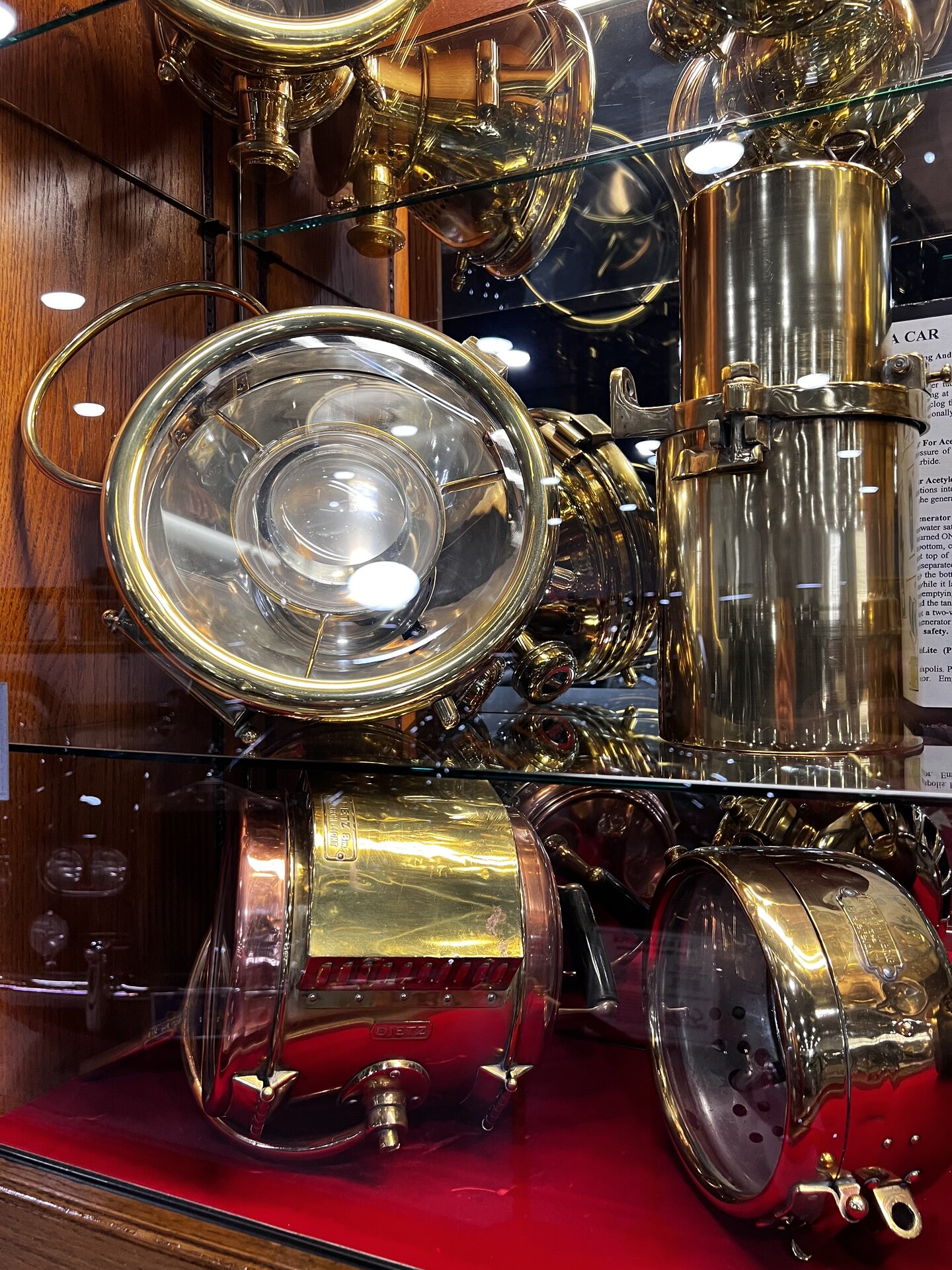
The evolution of the car headlamp, from an oil lantern in 1885 to a matrix LED in 2026.
Acetylene gas headlamps in 1900. Sealed beam tungsten filaments standardized in 1940. Halogen in 1962. Xenon HID in 1991. LED in 2007. Matrix laser LED today. Each jump changed how far a driver could see, how heavy the car had to be, and how many people survived the night.
Read the piece
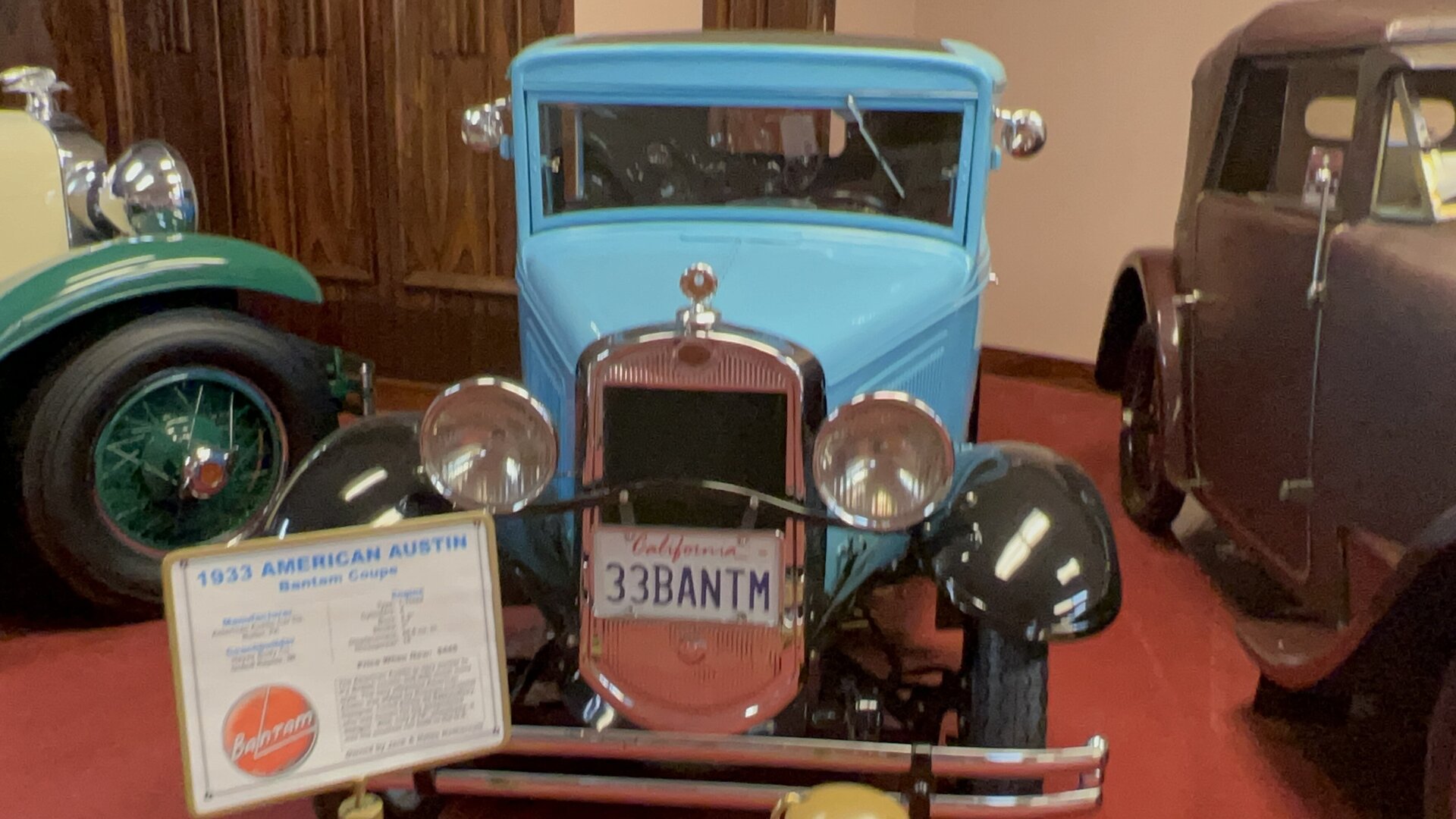 Entry 054
747 cc, four wheels, built in Butler, Pennsylvania
July 2026
The 1933 American Austin, the tiny American car that was too small for its own country.
A licensed American version of the British Austin Seven. Ten feet long, 1,100 pounds, 747 cc engine, and priced at $445 in 1933. Americans wanted bigger cars. The company went bankrupt after 8,558 units, was reorganized as American Bantam, and then invented the Jeep.
Read the piece