$1.83 Trillion Lost to Traffic Crashes — One Bad Turn Shows Exactly Why
Not a confusing intersection. Not a missing sign. The road was right there. The sidewalk was right there. And the car turned onto the sidewalk anyway.
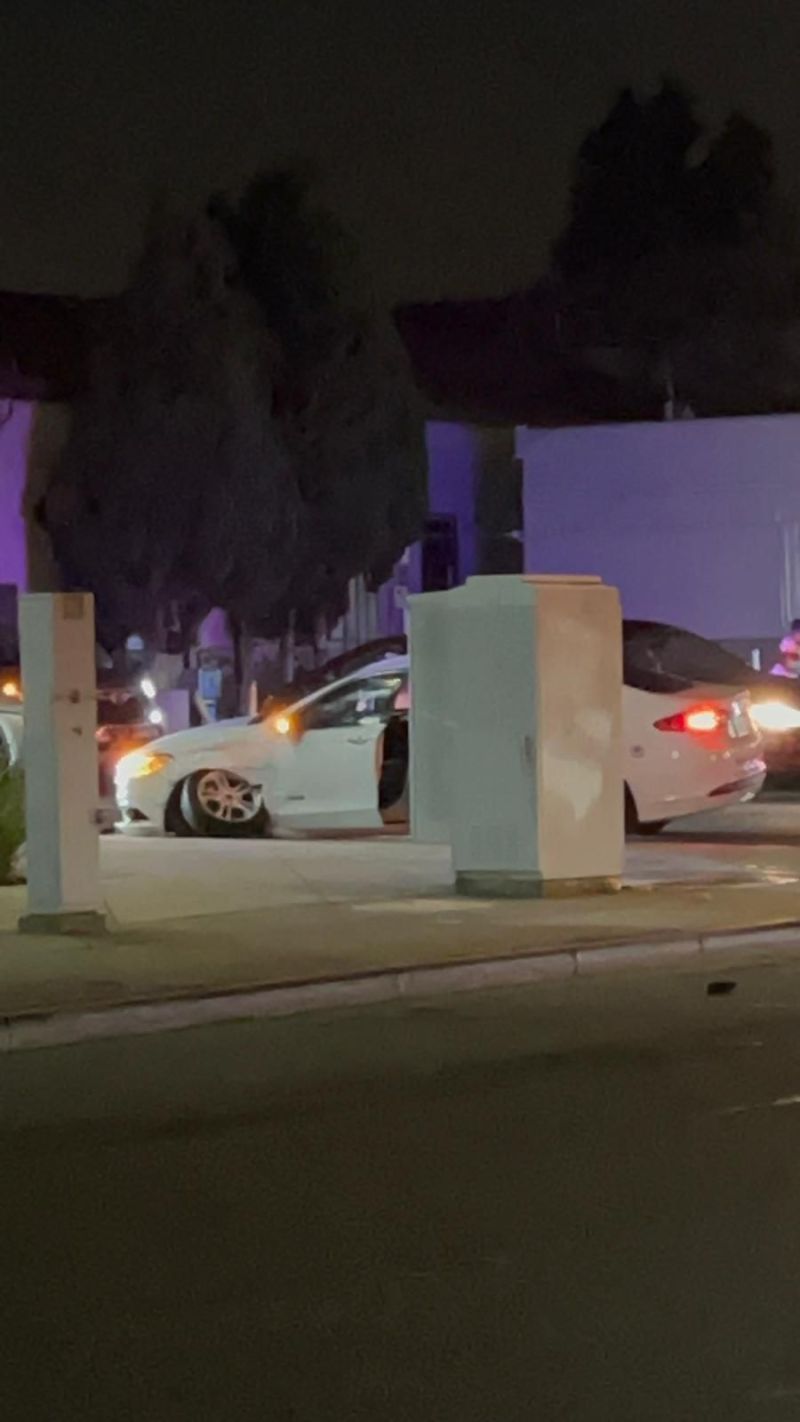
A driver turned onto a footpath.
Not a confusing intersection. Not a missing sign. The road was right there. The sidewalk was right there. And the car turned onto the sidewalk anyway.
No one was hurt. The vehicle stopped. Minor incident.
But minor incidents have a price tag too.
Behind every "minor" crash:
→ Vehicle repairs
→ Insurance claims
→ Legal liability
→ Hours pulled from someone's life
Now scale that up.
The Real Cost of Human Error on Roads
In 2024, fatal and serious traffic crashes in the United States produced:
→ $455 billion in economic costs
→ $1.38 trillion in quality of life costs
→ $1.83 trillion in total societal harm
In a single year.
And it is getting worse, not better.
→ Traffic fatalities in 2024 were still 20% higher than a decade ago
→ Pedestrian fatalities rose 14% from 2019 to 2024
→ These are people on sidewalks. In crosswalks. In spaces built to protect them.
(Source: TRIP, Addressing America's Traffic Safety Crisis, July 2025 https://lnkd.in/gac8BFZb)
This is not a road design problem. It is not a mechanical failure problem.
It is an attention problem.
Human attention slips. Not dramatically. Quietly. On ordinary roads, in ordinary vehicles, on completely ordinary days. And right now, there is nothing between that slip and its consequence.
No alert. No intervention. No layer.
Just hope that every driver pays attention every single time and hope has a failure rate.
What Is Missing Is Not Better Drivers
The sidewalk in that footage was visible. The boundary was clear. What was missing was a system, any system, between the driver's decision and the pedestrian space they drove into.
That system does not exist on most of the 1.6 billion vehicles on roads today.
Not niche test fleets. Not geo-fenced corridors. 1.6 billion vehicles with no fallback when attention fails.
That is the infrastructure gap Outonomous is built to close.
Not by replacing drivers. By ensuring that when attention slips for two seconds on an ordinary road, something intelligent is there to catch it before a lapse becomes a consequence.
Because $1.83 trillion is not just a statistic.
It is the annual price tag of that gap.
And that is just what we can measure.